Sector(s)
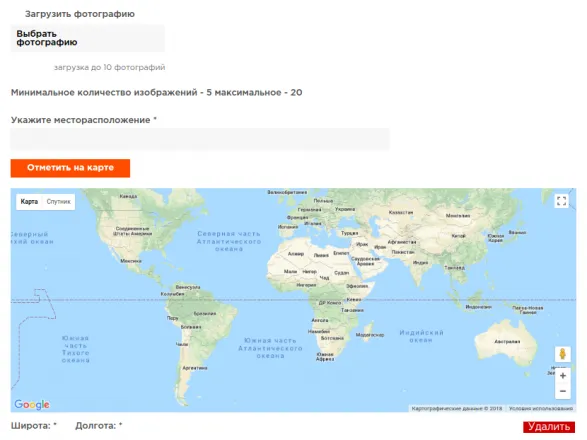
We worked with a real estate Drupal website where users could post their real property for sale and mark their location on the map.
The ways users added their real estate objects needed improvement. We made them much more convenient.
They are now based on Google APIs integration and the "geography" of adding objects is unlimited. See more details below.
About the project
Our main task was to allow users to place their real estate on the website map in any part of the world.
Prior to that, the principle of adding objects was based only on taxonomy. That was ineffective, as adding new items was possible only under the taxonomy terms that had been created earlier.
So now, on this real estate website, adding objects is based not on the taxonomy terms, but on Google APIs integration.
Handy features include autocomplete suggestions, search by coordinates, and the display of all objects in a particular area according to coordinates.
Due to this change, users can mark their property on the site map and sell it more easily.
Why Drupal was chosen
Drupal was a great choice for this website for a number of reasons. Drupal allowed it to have a flexible system of user roles with particular restrictions as to content publishing, editing, and deleting.
Drupal’s amazing extensibility also came in very handy, because this website actively extends and gets new features.
Drupal’s APIs greatly helped in implementing the functionality of Google maps/autocomplete API integration.
Technical Specifications
Drupal version:
Key modules/theme/distribution used:
● Google Autocomplete API allows users to enter the beginning of the needed address when creating an object and easily find an existing address by selecting from the suggested list of options.
● Google Geocoder API allows users to get coordinates for the entered address, or vice versa, to find an address when they enter coordinates. It’s necessary for marking an item on the map.
● Google Maps JavaScript API is the map itself. It gets coordinates and displays the appropriate area, and all objects situated in this area, in response to the user’s request.