Visit the site
Visit the siteOrganizations Involved
Community contributions
Drupal is a powerful and widely used open-source content management system that owes much of its success to the contributions made by its community. Here are some examples of community contributions that make Drupal great:
-
Code Contributions: The Drupal community is known for its robust code contribution system. Thousands of developers from around the world contribute to the Drupal codebase, helping to make it more stable, secure, and feature-rich.
-
Module Development: Drupal's modular architecture allows developers to create modules that extend its functionality. The community has created thousands of modules, covering everything from e-commerce to social networking.
-
Theming: Drupal's theming system allows designers to create custom themes for Drupal sites. The community has created a wide variety of themes that can be used by anyone.
-
Documentation: The Drupal community places a strong emphasis on documentation, making it easy for users and developers to learn about the platform and its features.
-
Translation: Drupal is available in many languages thanks to the efforts of translators in the community. This makes Drupal accessible to a wider audience around the world.
-
Community Support: The Drupal community is known for its friendly and supportive culture. Members are always willing to help each other out, whether it's through online forums, meetups, or events.
-
Testing and Bug Fixing: The community has a rigorous testing and bug fixing process, ensuring that Drupal is stable and reliable.
-
Marketing and Promotion: The Drupal community works hard to promote the platform, helping to raise awareness and attract new users and contributors.
These are just a few examples of the many ways in which the Drupal community contributes to the platform's success. By working together, the community has created a powerful and versatile content management system that is used by organizations of all sizes and industries around the world.
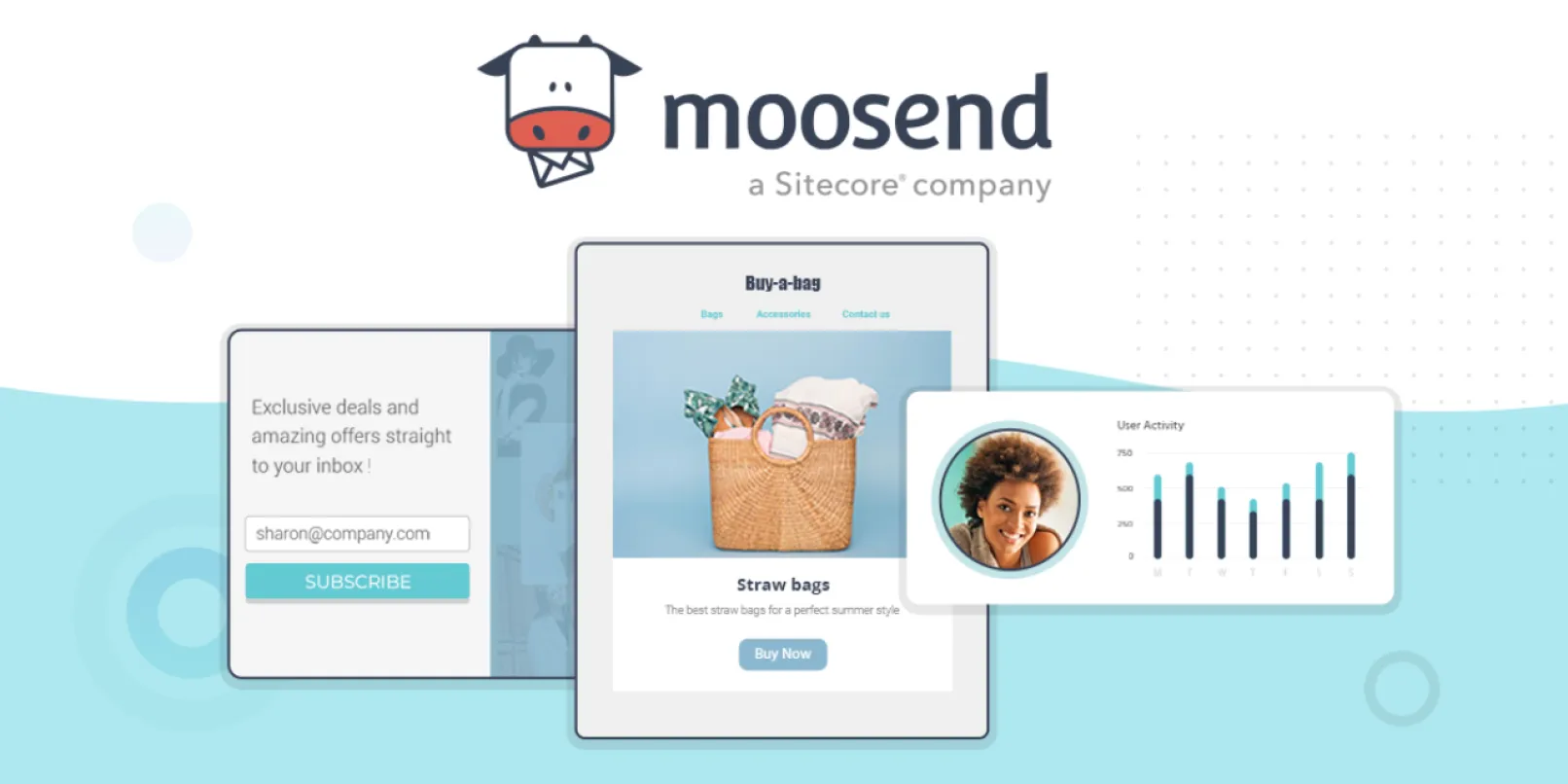
Moosend Drupal 9 module is a marketing automation tool that allows users to create and manage email marketing campaigns directly within their Drupal 9 website. With the Moosend Drupal 9/10 module, users can easily integrate their website with their Moosend account and use a range of features, contact list management, and automation workflows.
One of the main benefits of using the Moosend Drupal 9/10 module is the ability to create and send personalized email campaigns to targeted segments of your audience. This can help increase engagement and conversion rates, as well as improve overall customer satisfaction. Additionally, the module provides advanced reporting and analytics, which allows users to track the success of their campaigns and make data-driven decisions.
The Moosend Drupal 9/10 module is easy to install and use, and integrates seamlessly with your existing Drupal 9 website. It also offers a range of customization options, including the ability to add custom fields and merge tags, and supports multiple languages.
Overall, the Moosend Drupal 9/10 module is a powerful and user-friendly marketing automation tool that can help businesses of all sizes create and manage effective email campaigns directly within their Drupal 9 website.
About the project
Moosend is an email marketing and automation platform that allows businesses to create and send email campaigns to their subscribers. The Moosend Drupal 9/10 module is a plugin that integrates Moosend with Drupal, a popular content management system. The goal of this module is to simplify the process of managing email campaigns by providing a seamless integration between Moosend and Drupal.
To use the Moosend Drupal 9/10 module, you will need a Drupal 9 or 10 installation, a Moosend account, and an API key. Once you have installed the module and configured your Moosend API key, you can start using the module to manage your email campaigns.
The requirements for using the Moosend Drupal 9/10 module include:
- Drupal 9 or 10 installation
- Moosend account
- Moosend API key
With the Moosend Drupal 9/10 module, you can:
- Create and manage email campaigns from within Drupal.
- Build custom email templates using the Drupal editor.
- Add and remove subscribers to your Moosend lists from Drupal.
- Monitor the performance of your email campaigns using Moosend analytics.
The outcome of using the Moosend Drupal 9/10 module is a streamlined email marketing process that integrates seamlessly with your Drupal website. This module can save you time and effort by allowing you to manage your email campaigns from within your Drupal dashboard, eliminating the need to switch between multiple platforms. Additionally, the module allows you to create custom email templates that match your Drupal theme, giving your emails a professional and cohesive look.
Why Drupal was chosen
Drupal is a popular and powerful content management system (CMS) that was chosen for a variety of reasons, including:
-
Flexibility: Drupal is highly flexible and customizable, which makes it a good fit for a wide range of projects, from small websites to large, complex applications.
-
Community: Drupal has a large and active community of developers and users who contribute to its ongoing development, provide support, and create add-ons and modules to extend its functionality.
-
Security: Drupal has a strong track record for security, with a dedicated security team and regular updates to address any vulnerabilities.
-
Scalability: Drupal is designed to be scalable, which means it can handle a high volume of traffic and content without compromising performance.
-
Multilingual support: Drupal has built-in support for multilingual content, making it a good choice for websites and applications that need to support multiple languages.
-
Open source: Drupal is open source software, which means it is free to use and can be modified and distributed by anyone. This makes it an affordable option for businesses and organizations of all sizes.
Technical Specifications
Drupal version:
Choosing modules, themes, and distributions for a Drupal project can be a complex process that involves considering a range of factors, including project goals, budget, timeline, and technical requirements. Here are some reasons why specific modules, themes, or distributions might be chosen:
-
Functionality: Modules are typically chosen for their specific functionality, such as image galleries, form builders, or e-commerce features. The decision to use a module will depend on whether it meets the project's specific requirements.
-
Compatibility: Modules and themes must be compatible with the version of Drupal being used, as well as with other modules and themes being used on the site. Compatibility issues can cause conflicts and affect the site's stability and performance.
-
Security: Choosing secure and reliable modules and themes is crucial for the overall security of the Drupal site. Modules and themes with a strong security track record are preferred, and regular security updates should be applied.
-
Community support: Modules and themes with an active community of developers and users can provide better support and resources for troubleshooting issues and customization.
-
User experience: Themes and distributions are chosen based on their visual design and user experience. Themes that are responsive, accessible, and visually appealing can enhance the user experience and engagement.
-
Budget and timeline: The budget and timeline of the project can influence the decision to use pre-built distributions or to develop custom modules and themes from scratch. Using pre-built distributions can save time and money, while custom development can provide more control over the site's functionality and design.
In summary, choosing the right modules, themes, and distributions for a Drupal project requires careful consideration of functionality, compatibility, security, community support, user experience, budget, and timeline.