Sector(s)
Team Members
Project Team
Adrian Cruz, Promet Developer Lead; Marijke Visser, Senior Policy Advocate, American Library Association
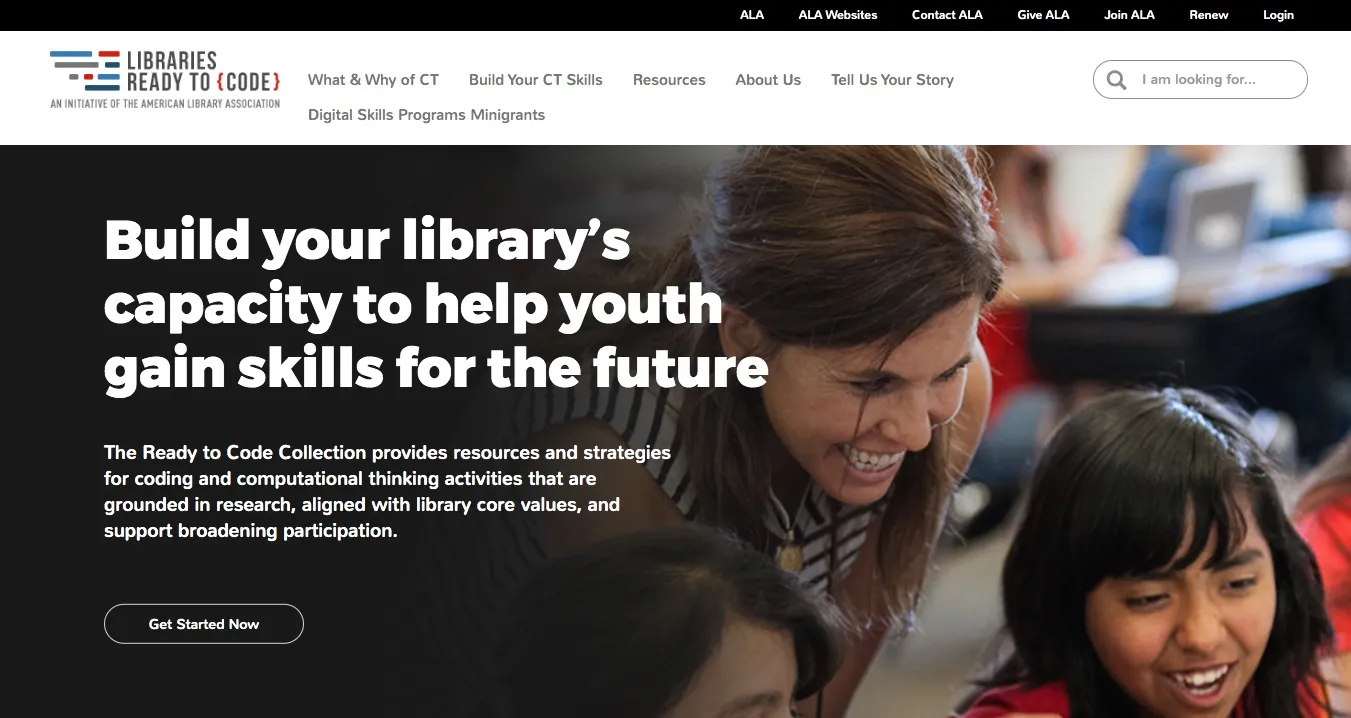
The American Library Association's Ready to Code initiative grew out of a conviction that helping youth to become comfortable with Computational Thinking is an essential mission of libraries in the digital age. Funded by a grant from Google, the site has taken the ALA's advocacy for tech literacy to the next level.
Resources on the Drupal 8 site are aligned with the ALA’s emphasis on inclusivity. Engaging exercises are targeted toward ages that range from preschool to early teen years, with the intention of helping librarians to reach children as young as possible, before stereotypes concerning who could or should pursue technology careers begin to take hold.
In addition to the UX and UI design of the site, Promet designers also developed branding for ALA Ready to Code site which prominently features a new logo and identity for the initiative.
Once the site went live, the response exceeded expectations on every front. The primary objective was for librarians to embrace the site and actively introduce youth to all that Ready to Code has to offer. That objective was boosted by a steady stream of awards. Key among them is the American Association of School Librarians’ 2019 Best Websites for Teaching & Learning. Since this award is very much on the radar of librarians, it has added validity to the site, which helped to accelerate adoption of the site. Following this recognition, Libraries Ready to Code received three additional awards: the 25th Annual Communicator Award of Distinction for User Experience and General Education, as well as a 2019 W3 Award.
About the project
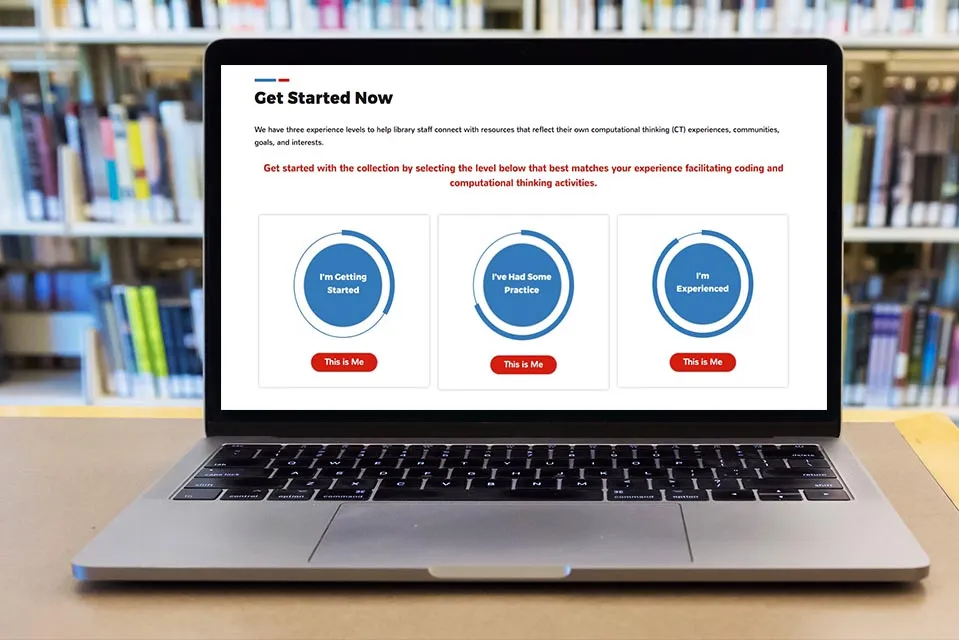
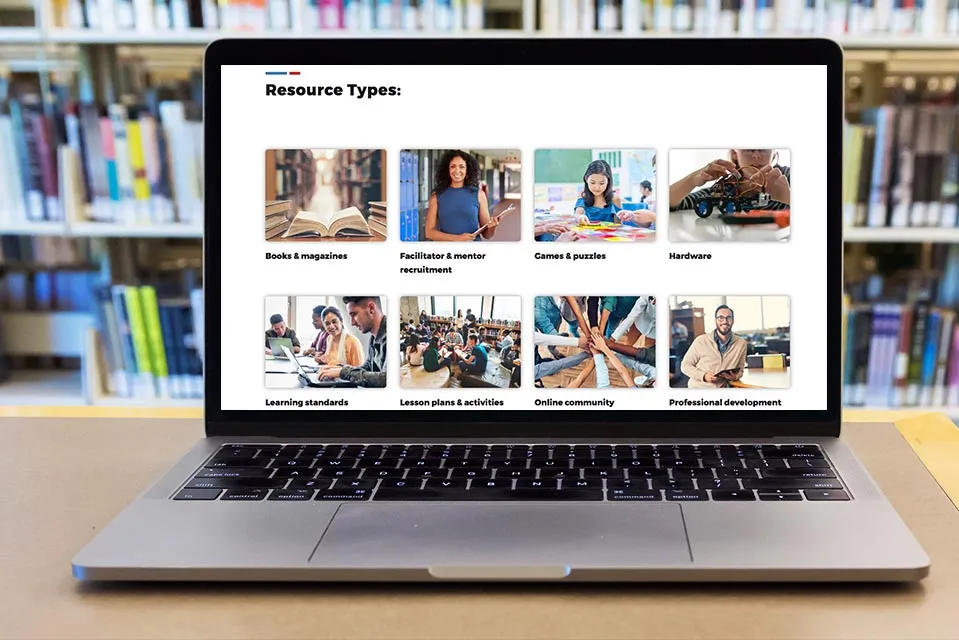
Building an inviting and engaging user experience was essential to overcoming perceived barriers among rural youth, the economically disadvantaged, and other groups that have traditionally not tended to see themselves as candidates for STEM careers. To introduce Computational Thinking to both librarians and youth, the website needed to organize and present a vast collection of educational assets with multiple points of entry that appealed to a wide range of aptitudes, ages, and interests, within the framework of an inviting and visually appealing learning path.
Key solutions:
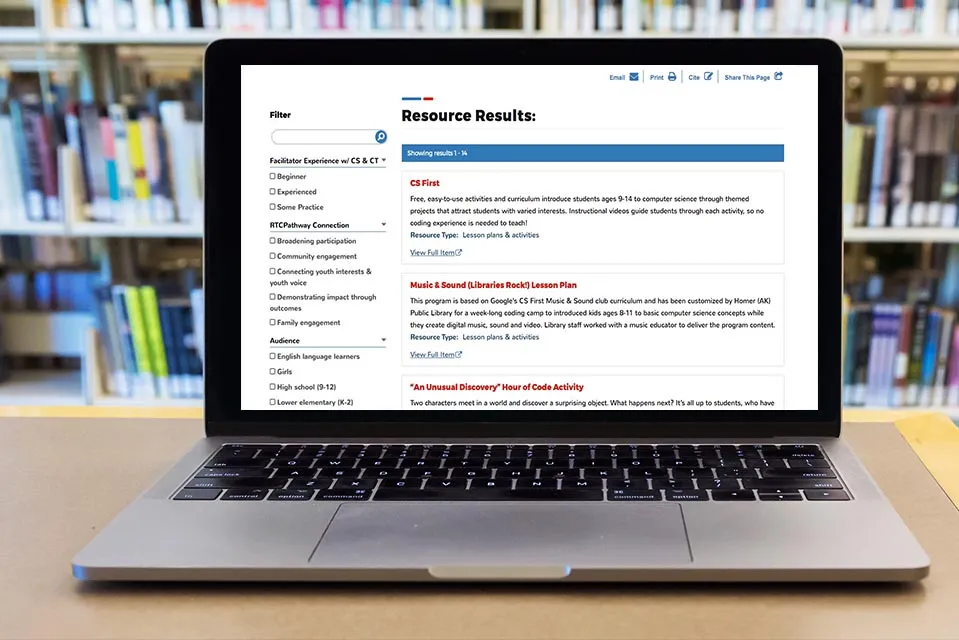
Search functionality based on the user's role, and experience level
User journeys for librarians that align with varying levels of expertise and comfort
Multiple options for exploring the site without forcing a single path
Customization of the user experience around evolving needs as familiarity with Computational Thinking expands
Why Drupal was chosen
Drupal 8 proved to be the optimal CMS for a project that required the organization and presentation of a vast range of resources to multitude persona groups in a manner that was inviting, visually appealing, and sparked life-changing possibilities for STEM careers.
Technical Specifications
Drupal version:
Key modules/theme/distribution used:
Why these modules/theme/distribution were chosen:
- Paragraphs - For building components
- Nodequeue - Handpicked contents to be featured in a page
- FAQ Field - Used for displaying information in a collapsible format
- Better Expose Filter - For better filter format on search page
- Webform - Used for collecting feedback from users