Sector(s)
Team Members
Project Team
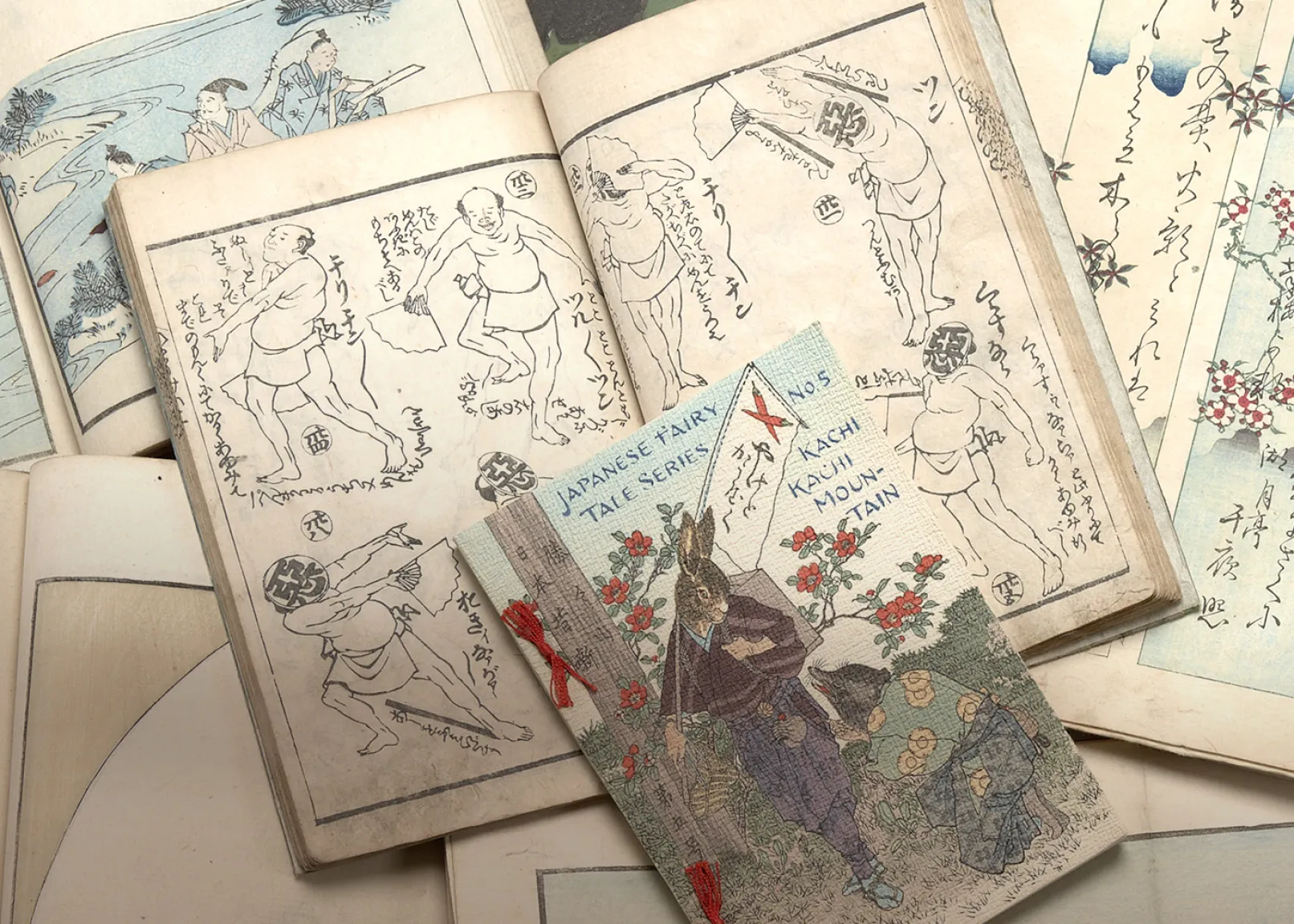
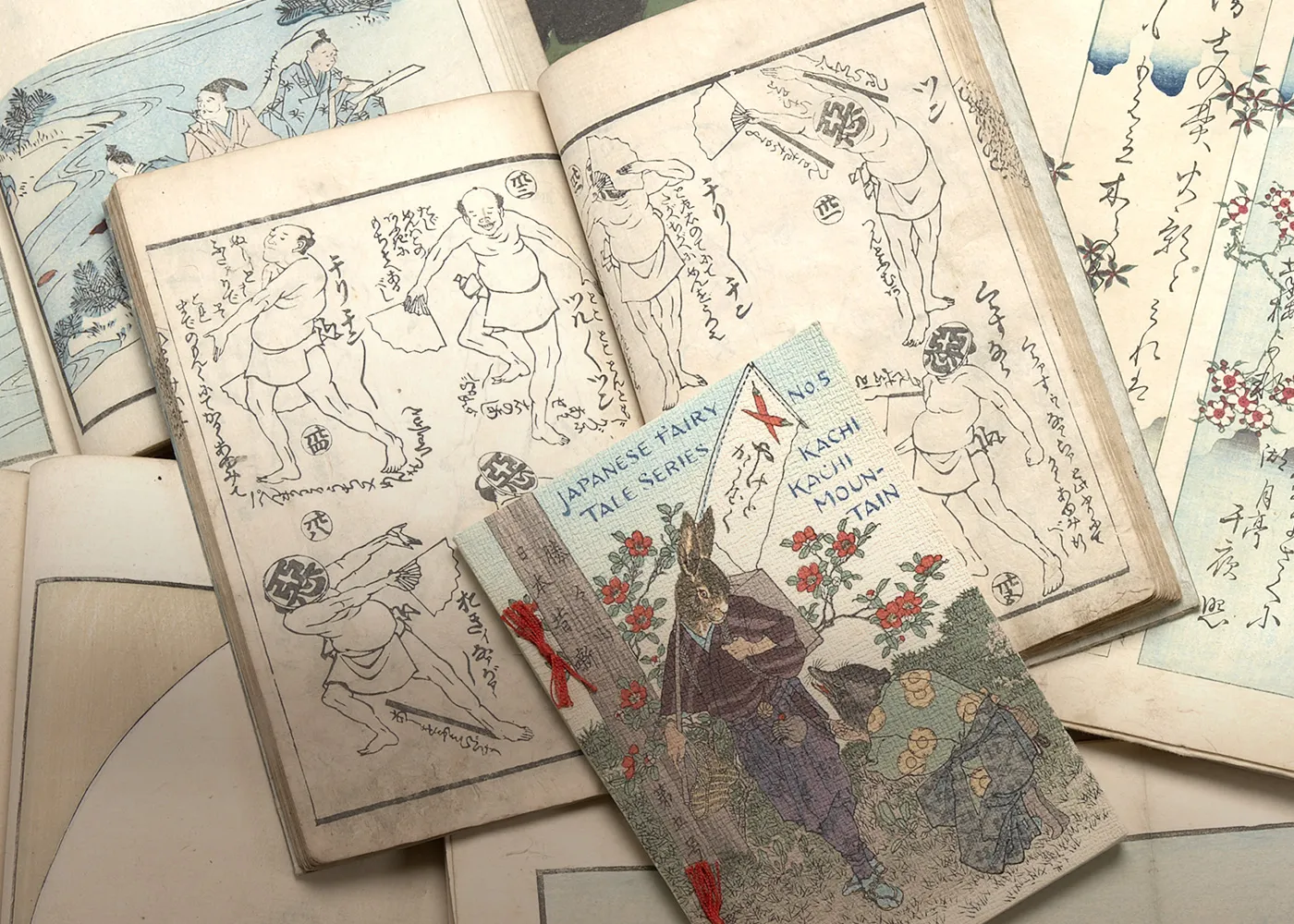
The Pulverer Collection, acquired in its entirety by the Freer Gallery of Art in 2007, includes numerous rare and pristine examples of Japanese illustrated books produced in the Edo period and beyond. For more than thirty years Dr. Gerhard Pulverer, a renowned medical researcher in Germany, and his wife Rosemarie traveled the world and assembled the collection. Their holdings of more than 900 titles encompass almost 2,200 volumes that range in date from the early seventeenth century to the 1970s. Today the Pulverer Collection is regarded as one of the most outstanding and comprehensive collections of Japanese illustrated books outside Japan.
This site marks the initial phase of an ongoing project to make all of the volumes available online. Cataloguing is now in progress, and we are also adding short scholarly entries for many of the titles (available on the commentary tab for individual titles). We are adding new titles every month and are expanding information about these books through these essays and other features.
About the project
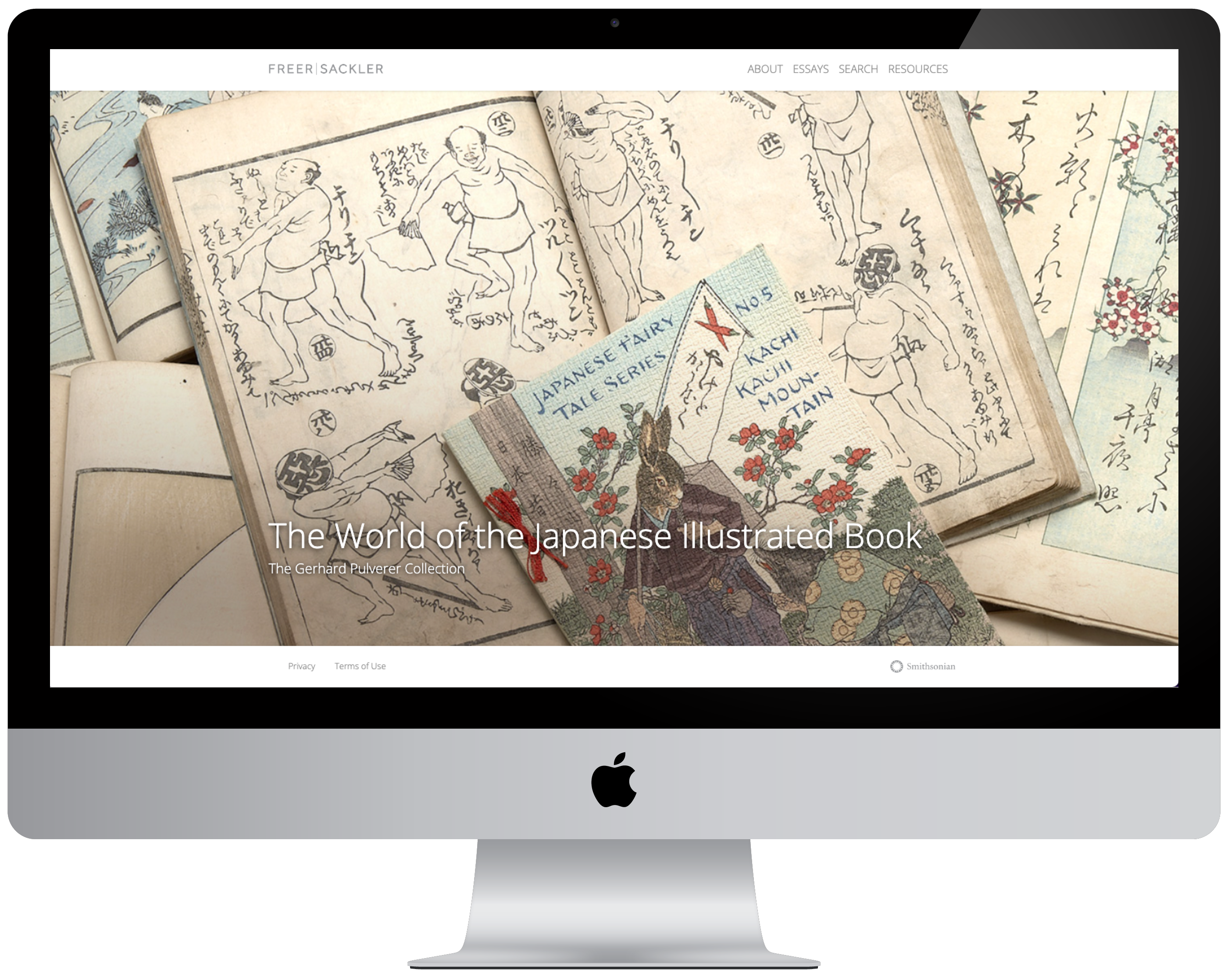
Agileana was hired directly by the Freer Gallery of Art and Arthur M. Sackler Gallery (Freer|Sackler), Smithsonian Institution (SI), for technical professional, non-personal services to provide web and content management system services in accordance with the Statement of Work (SOW).
The procurement required contractors experienced with web development using Drupal, Solr, web-based search, user interface (UI) design, user experience (UX) research and design, and multi-lingual content management.
The Statement of Work involved site audit, diagnostics, resolution of a backlog of approximately 100 tickets, and updating core Drupal versions, modules, LAMP stack. A particularly complex portion of the SOW was dealing with predictive search for foreign (non-English, non-Roman) characters and search terms. There were also issues with display of data, (particularly since the pages read from right to left) and user account management.
We completed the work on time, on budget. The work was performed in a series of 6 one-week sprints following a Scrumban methodology. Some of the tools we used to communications, documentation, coordination, and DevOps included Slack, Jira, Confluence, and GitHub.
User centered design (UCD) was a key consideration, particularly since we were working with foreign language content and the visitor segmentation included a diverse array of demographics, education, and interests.
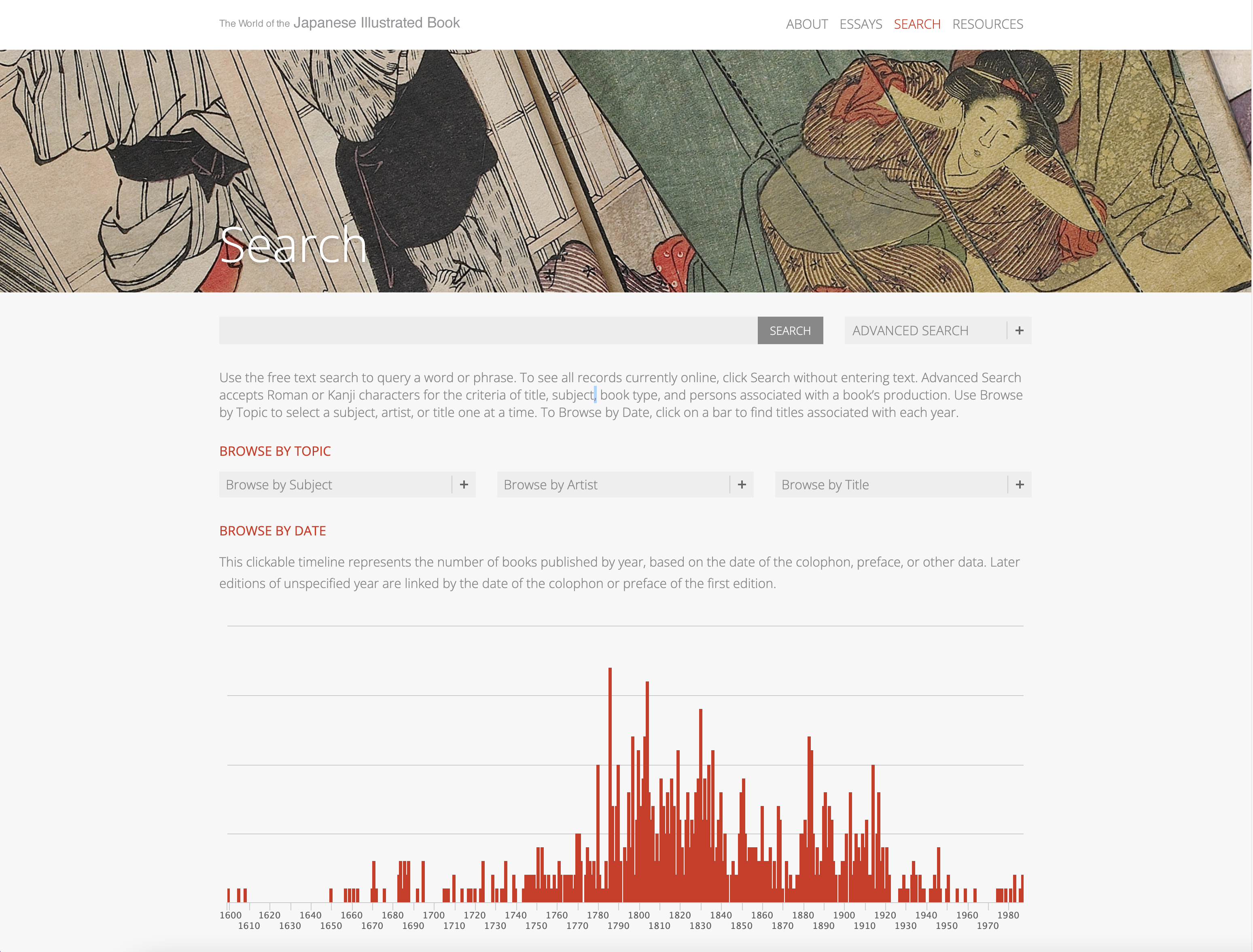
This clickable timeline represents the number of books published by year, based on the date of the colophon, preface, or other data. Later editions of unspecified year are linked by the date of the colophon or preface of the first edition.
Why Drupal was chosen
This is a government funded website and Drupal is the open source CMS of choice for federal government agencies. Drupal has the right combination of security and access control, APIs and open source modules, technical development environment, headless architecture, and multi-lingual support that is needed to support a visual collection of museum artifacts.
Technical Specifications
Drupal version:
Key modules/theme/distribution used:
We needed to present a Japanese illustrated book. So, the pages needed to flip from right to left, rather than left to right, and we needed to present Japanese characters including Romanization of Japanese, referred to as Romaji.