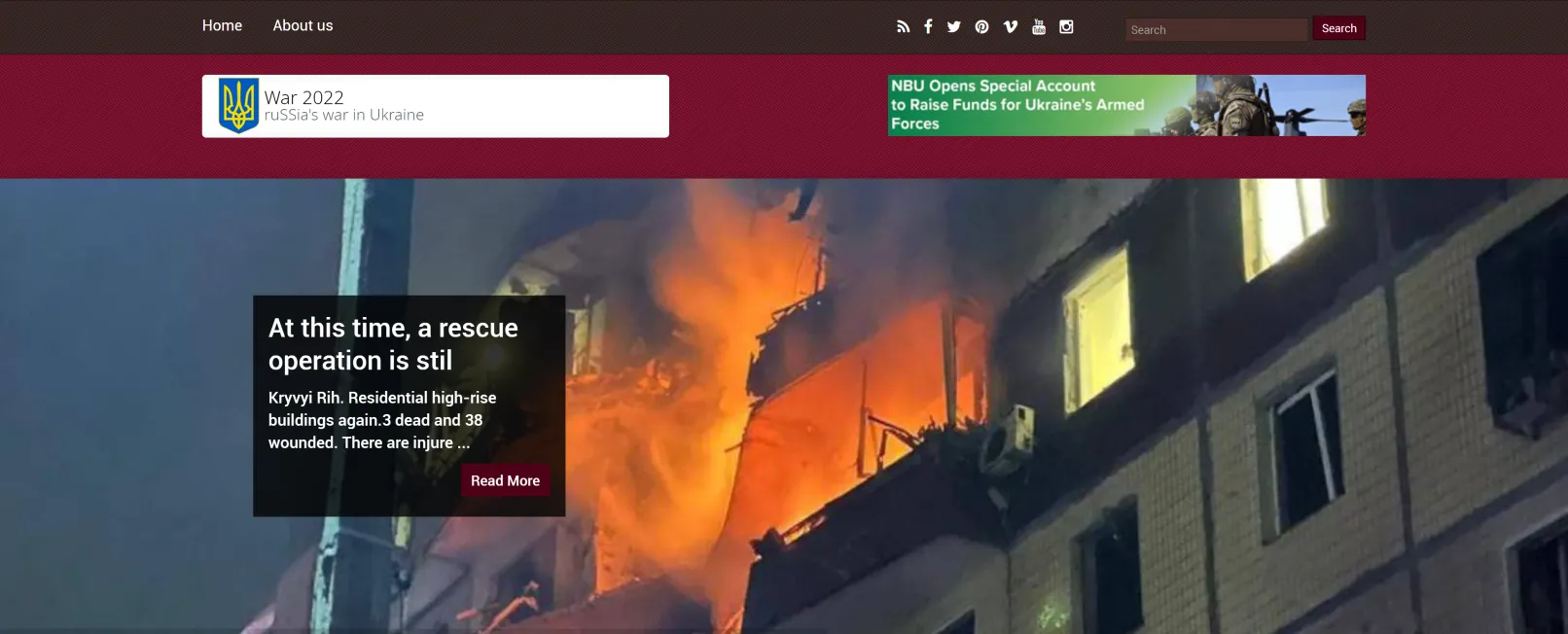
Visit the site
Visit the siteAgainst the backdrop of a peaceful dawn shattered by rockets and explosions, Ukrainians found themselves thrust into a nightmare they hoped would never come. The echoes of history, dating back to the annexation of Crimea in 2014, reverberated with a sinister crescendo as the Kremlin's ambitions to dismantle Ukrainian sovereignty reached a devastating zenith.
In the face of relentless aggression and international manipulation, the resilience of the Ukrainian people emerged as a beacon of defiance. However, the price of resistance was steep, with countless lives lost and communities ravaged by the horrors of war.
Amidst this chaos, a digital platform emerged, born from the expertise of a Drupal veteran driven by a mission to amplify the voices of those silenced by conflict. Through blogging in English, a bridge was built, connecting global audiences to the raw realities and untold stories of Ukraine's struggle for survival.
This is not just a website; it's a testament to the indomitable spirit of a nation, a chronicle of courage in the face of adversity, and a plea for solidarity in the fight for peace.
About the project
The project aimed to establish a bilingual blog platform initially intended for English, Ukrainian, and Russian languages. However, upon careful analysis of resources and feasibility, it was decided to focus solely on English due to the saturation of Ukrainian media and the limited impact on Russian-speaking audiences influenced by state propaganda.
The primary goal was to leverage Drupal's robust features for Search Engine Optimization (SEO) to enhance the visibility of the blog in search engine results, particularly on Google. While Drupal offers a plethora of modules and settings for SEO optimization, the challenge lay in navigating Google's policies, which could potentially restrict content featuring violent imagery.
Despite the quick indexing of blog pages, the expected search traffic did not materialize fully, highlighting the limitations in capitalizing on Drupal's SEO capabilities. Nonetheless, the project recognized the strength of Drupal's Olivero theme, albeit acknowledging its common appearance across sites. This prompted the development of a custom theme based on Radix, enabling ongoing improvements to the blog's aesthetics.
In conclusion, the project showcased the adaptability of Drupal for content management and SEO purposes, while also demonstrating the flexibility to tailor themes to individual preferences. Gratitude is extended to all who contributed to the project's realization.
Why Drupal was chosen
The choice of Drupal was justified by several key factors. First and foremost is its quick deployment, which allows for the creation of a ready-to-use informational product in just a few hours. Drupal offers a wide range of ready-made modules and themes, significantly simplifying the development process and enabling rapid attainment of desired functionality without the need to write code from scratch.
Moreover, Drupal is known for its flexibility and extensibility. The platform provides numerous tools and capabilities for customization and modification according to the unique requirements of the project. This means that a website built on Drupal can easily adapt to various needs and scale as the business grows or market conditions change.
Another significant advantage of Drupal is its multilingualism and SEO (Search Engine Optimization) capabilities. Drupal offers tools for managing content in multiple languages, making it an ideal choice for projects with a multilingual audience. Additionally, thanks to its flexibility and extensibility, Drupal allows for easy optimization of the website for search engines, contributing to improved visibility and ranking in search results.
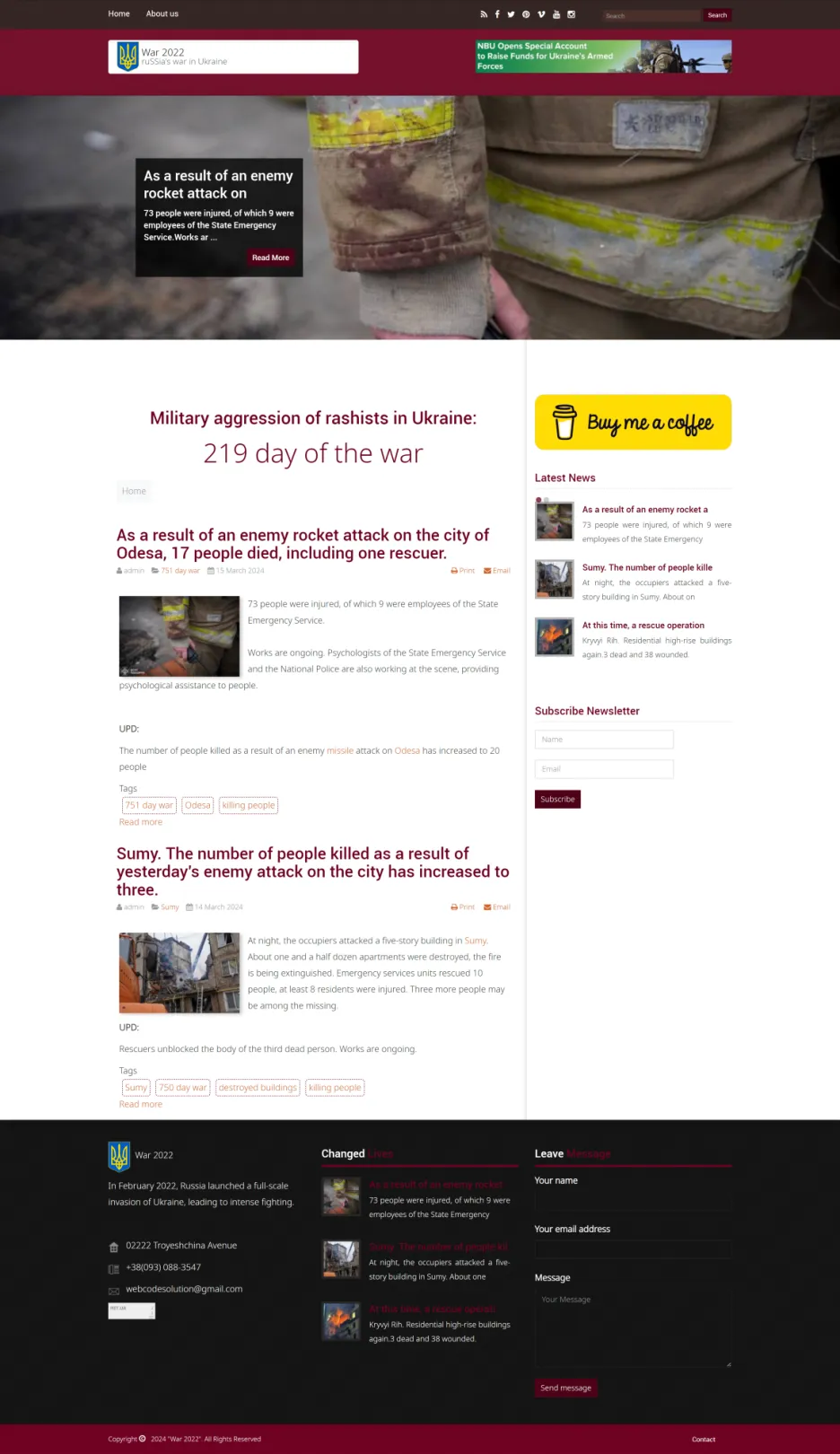
Technical Specifications
Drupal version:
Key modules/theme/distribution used: