Sector(s)
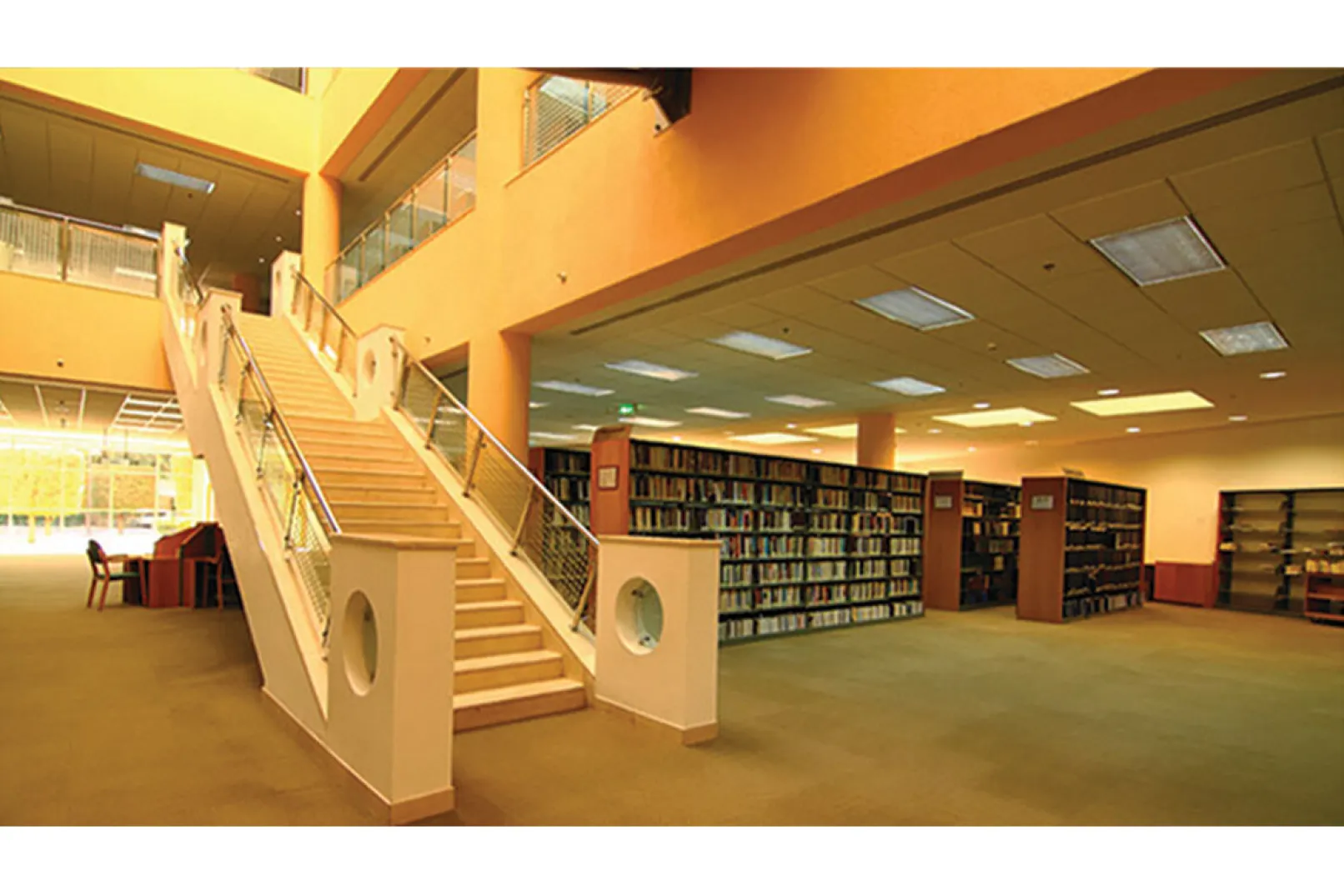
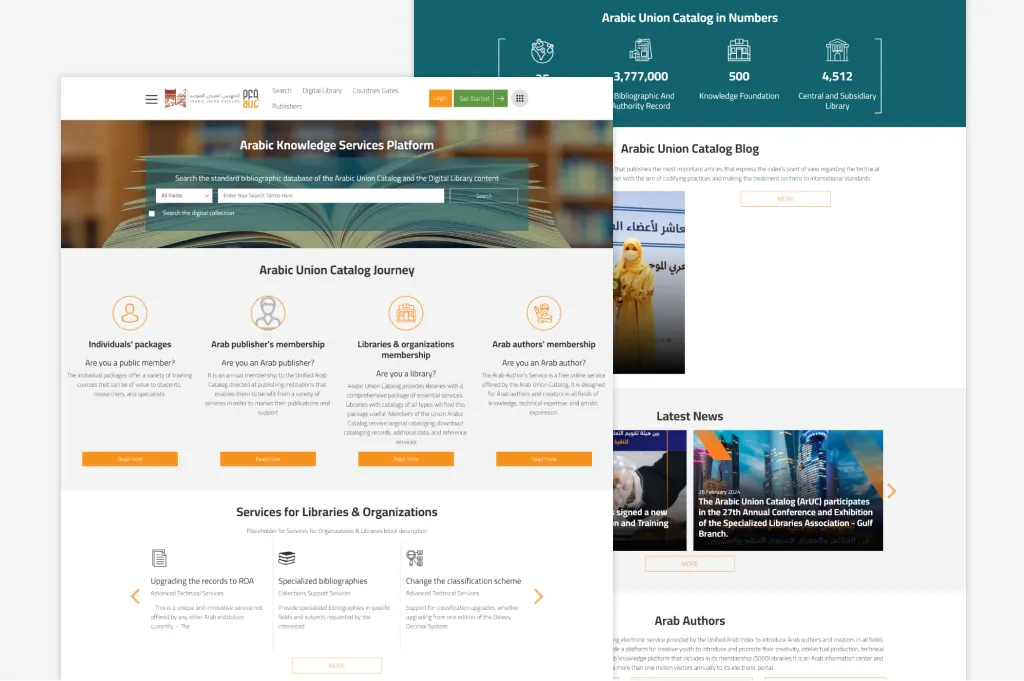
Arab Unified Catalog is a digital platform for a cooperative project among Arab libraries aimed at creating a comprehensive database of bibliographic records for books and other materials held in libraries across the Arab world. The AUC is intended to facilitate resource sharing and cooperative cataloging among participating libraries, as well as to enhance access to information resources for researchers, students, and the general public. The platform provides access to the AUC and other digital resources, including full-text books and journals, audiovisual materials, and manuscripts. It also offers search and discovery tools that enable users to locate and access resources held in participating libraries.
About the project
Goals:
-
Optimized Bibliographic Record Creation: Develop a standardized process for creating bibliographic records that ensures accuracy, completeness, and consistency across all libraries involved. This includes defining metadata standards, data entry guidelines, and quality control measures.
-
Unified Catalog Integration: Integrate the unified union catalog seamlessly into Drupal.org, leveraging Drupal's capabilities to display, search, and browse bibliographic records efficiently. This integration should provide a user-friendly interface for accessing library resources and facilitate easy navigation and discovery.
-
Enhanced Search and Discovery Experience: Implement advanced search functionalities within the unified catalog, allowing users to easily search, filter, and refine results based on various criteria such as title, author, subject, and publication date. Incorporate features like faceted search, relevancy ranking, and autocomplete to improve the search experience.
-
Interoperability and Data Exchange: Ensure interoperability between library systems by establishing standardized protocols and formats for data exchange. This includes adopting industry standards like MARC (Machine-Readable Cataloging) and implementing APIs (Application Programming Interfaces) for seamless communication between library systems.
-
Collaborative Metadata Enhancement: Encourage collaboration between libraries to enhance metadata quality and enrich bibliographic records. Implement workflows for collaborative metadata editing, where librarians can contribute additional metadata, correct errors, and enrich records with supplementary information like annotations, reviews, and links to related resources.
-
Community Engagement and Feedback: Foster a community of librarians, developers, and users around the unified union catalog on Drupal.org. Solicit feedback from stakeholders to identify areas for improvement and prioritize feature enhancements. Provide forums, mailing lists, and user groups for community discussions, knowledge sharing, and support.
Outcome:
Building upon Drupal's strengths, our project achieved the following outcomes:
-
Enhanced User Experience with React Integration: By merging Drupal with React, we crafted a contemporary, mobile-friendly interface. This synergy offers users seamless navigation and dynamic content, heightening engagement.
-
Efficient Search with Solr Integration: We seamlessly integrated Solr into Drupal for swift and precise searches across our vast database. This empowers users to swiftly discover relevant resources amid millions of records.
-
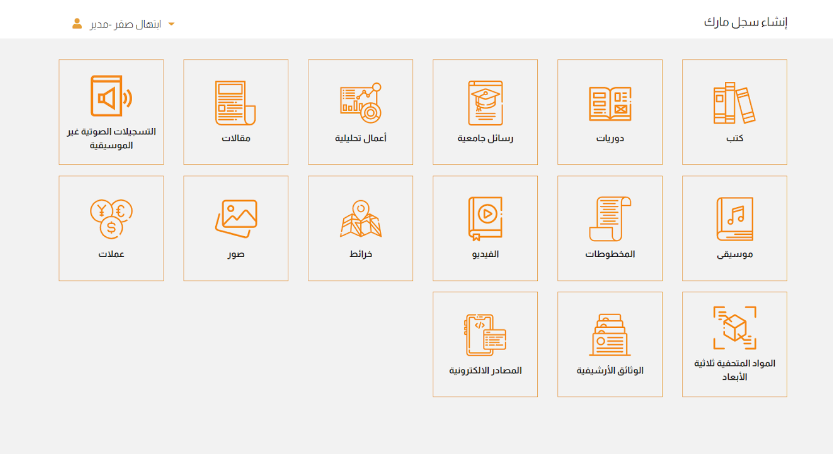
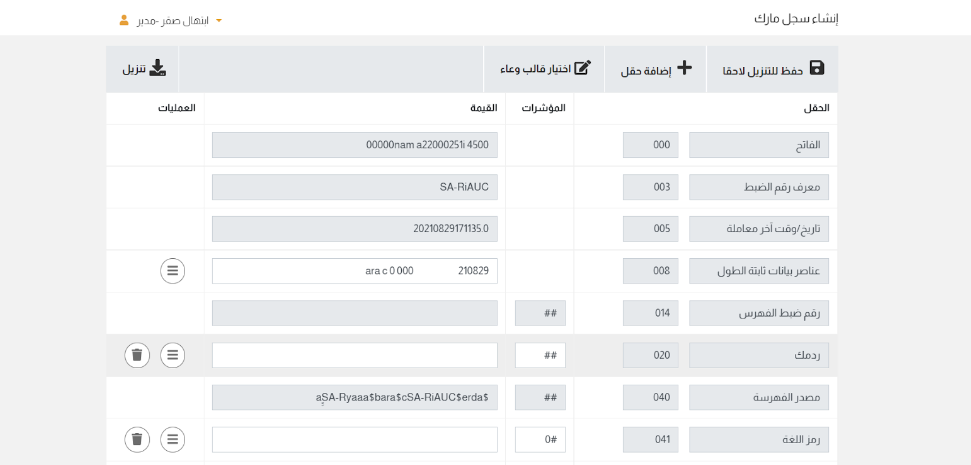
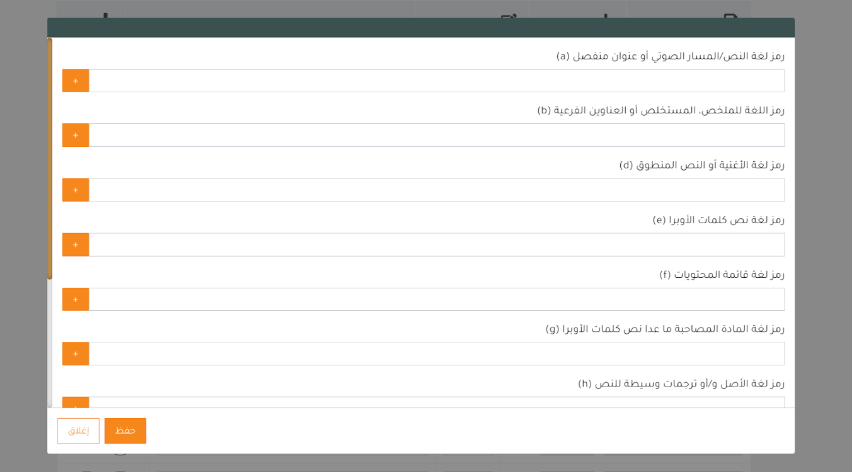
Streamlined Cataloging with MARCEditor: Building the MARCEditor interface within Drupal simplifies cataloging tasks, empowering administrators to effortlessly create and refine bibliographic records. This boosts cataloging efficiency and metadata accuracy.

-
Custom Subscription Modules for Enhanced Access Management: Leveraging Drupal's modular structure, we developed tailored subscription modules. This enables effective content access management, offering diverse subscription tiers and fostering monetization avenues.
Why Drupal was chosen
Drupal was selected as the foundational framework for our Library Union catalog for several compelling reasons:
-
Versatility and Flexibility: Drupal's modular architecture offers unparalleled versatility, allowing us to adapt the platform to our unique needs seamlessly. Whether it's managing content, integrating third-party tools, or customizing functionality, Drupal provides the flexibility necessary to accommodate diverse requirements.
-
Robust Content Management: As the cornerstone of our catalog, Drupal excels in content management capabilities. Its intuitive interface and powerful tools empower administrators to efficiently organize and maintain a vast array of bibliographic records, ensuring data accuracy and accessibility.
-
Community Support and Extensibility: The thriving Drupal community provides a wealth of resources, from contributed modules to expert advice, facilitating rapid development and problem-solving. Additionally, Drupal's extensibility enables seamless integration with external systems and technologies, enhancing the catalog's functionality and scalability.
Technical Specifications
Drupal version:
Key modules/theme/distribution used: