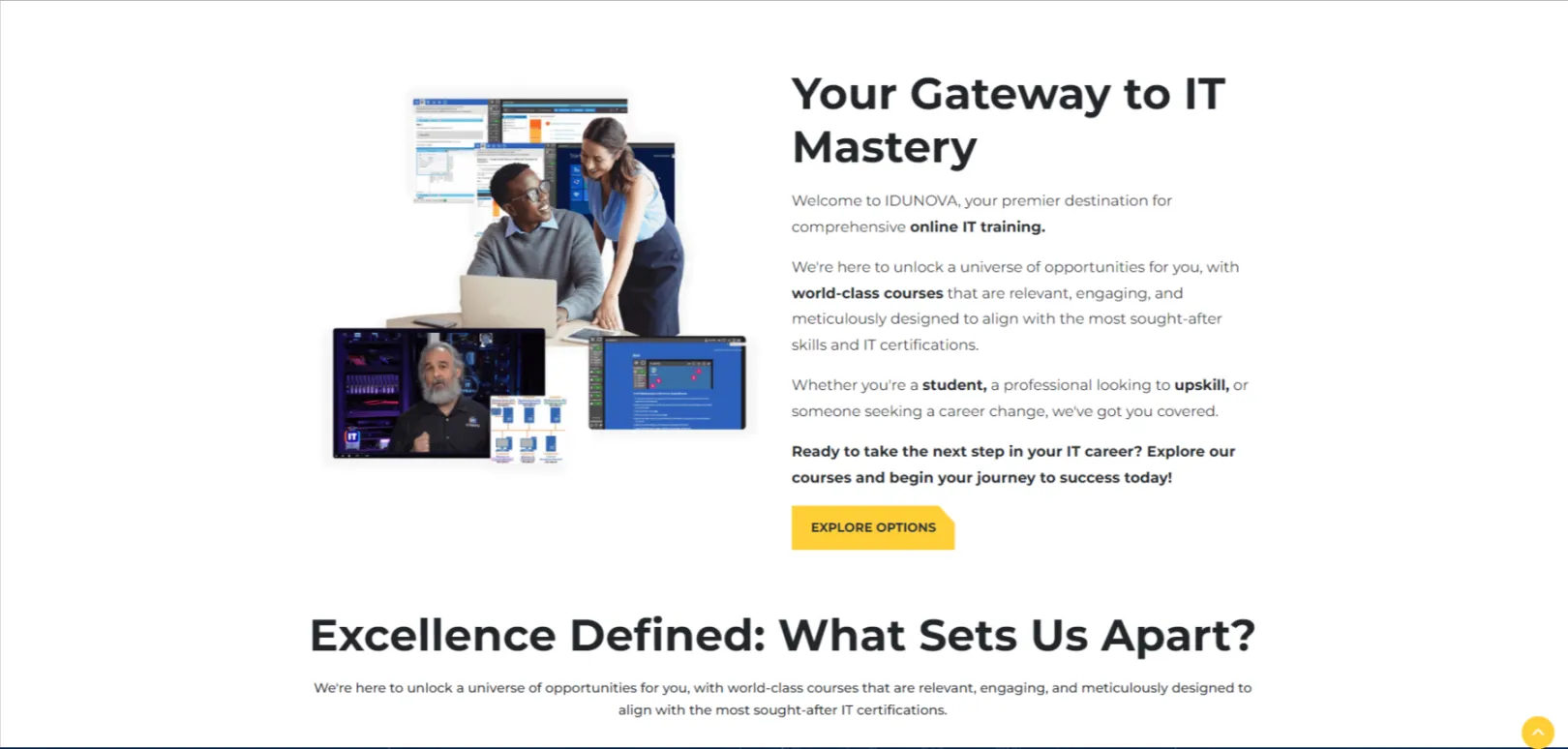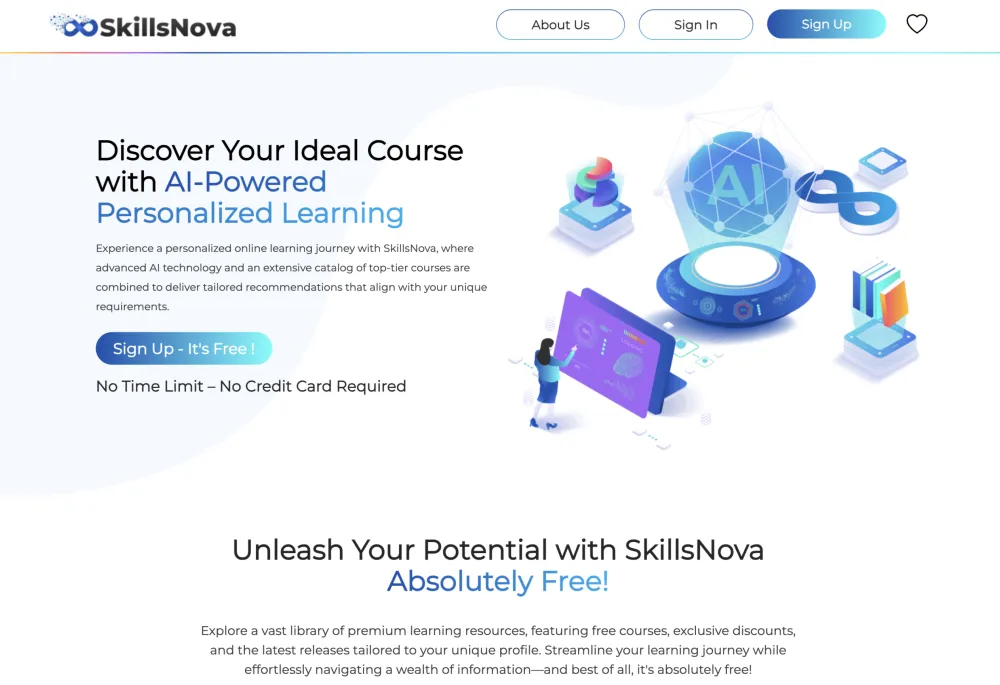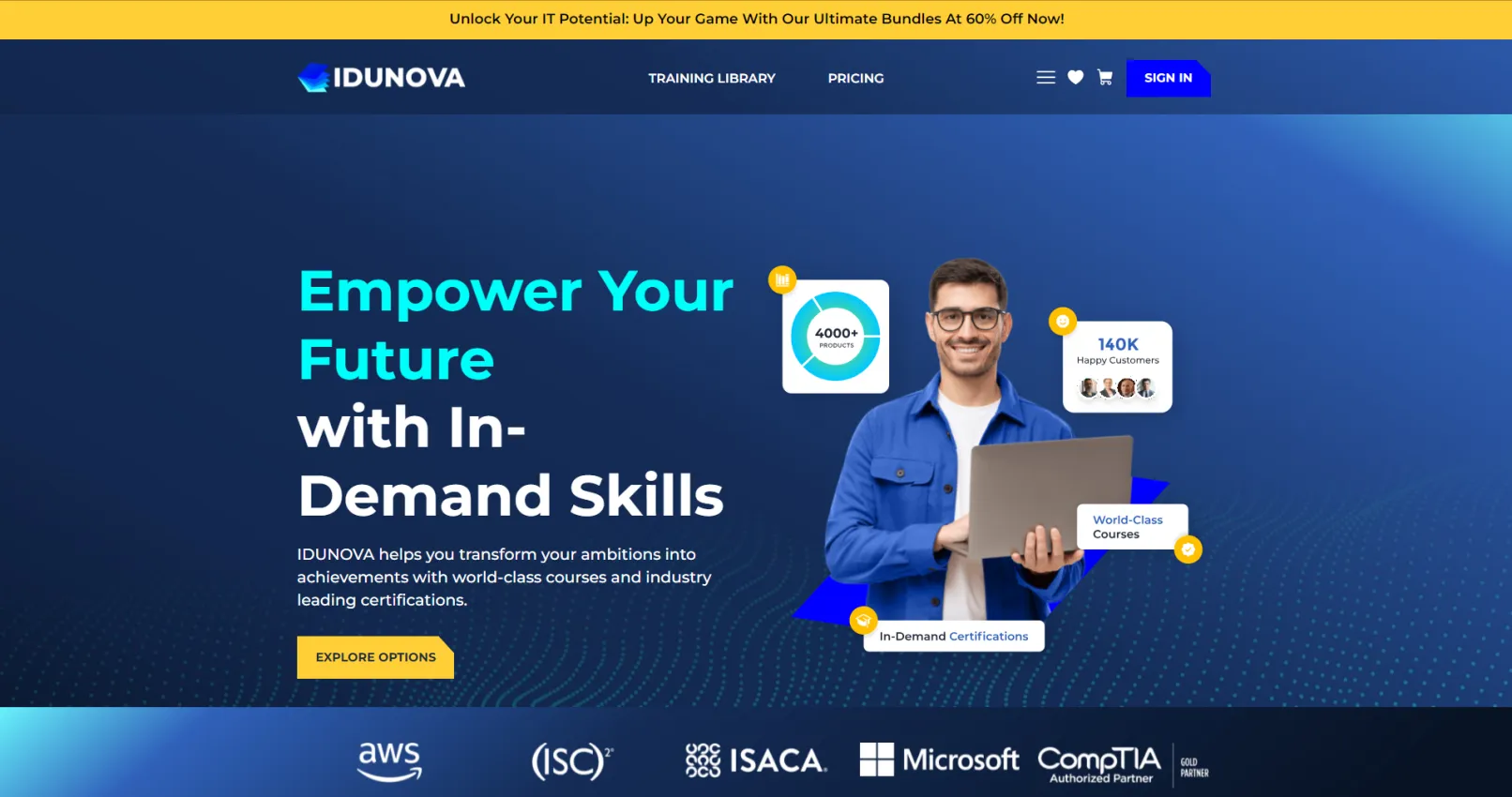
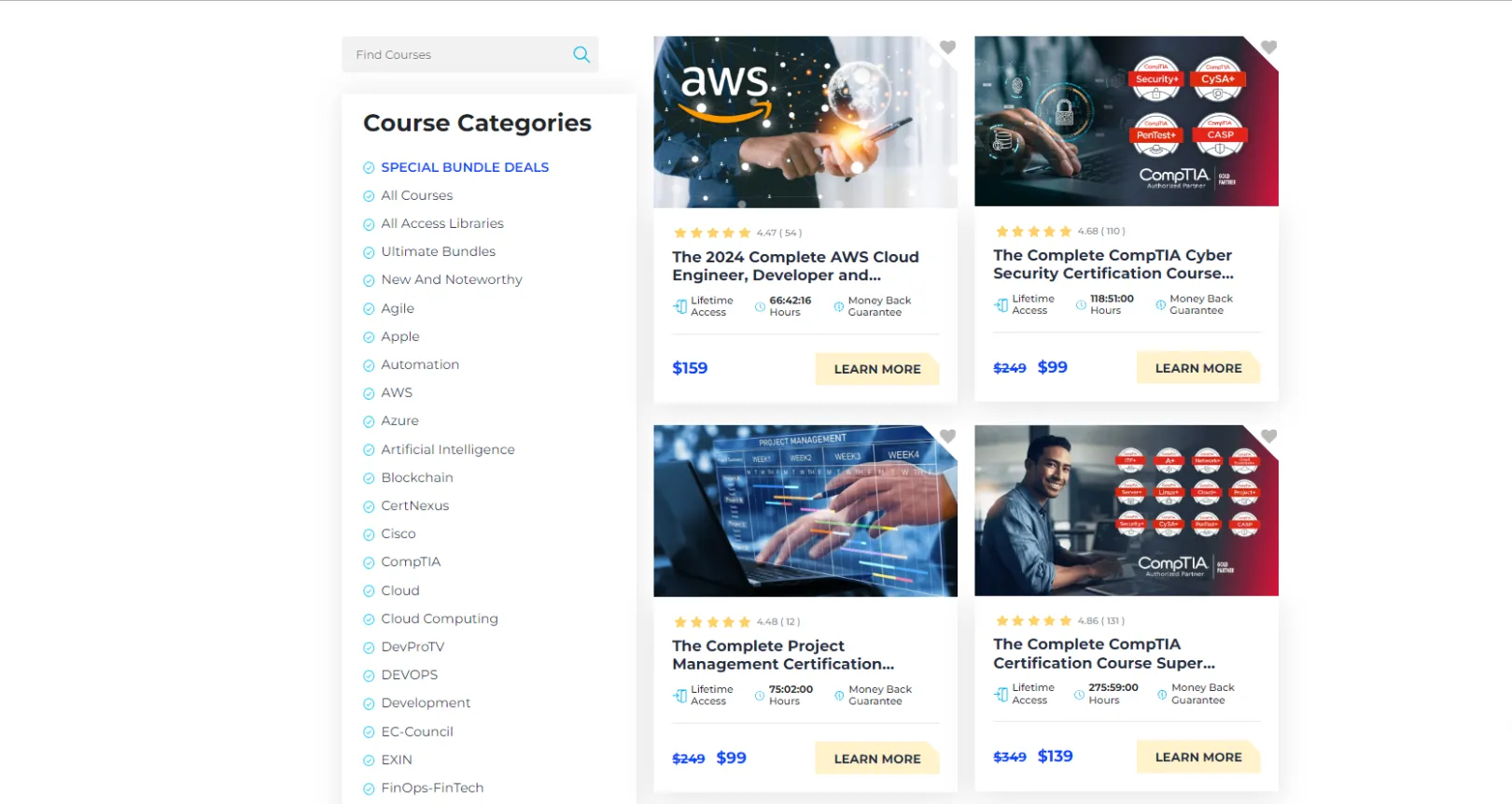
IDUNOVA is a specialized platform focusing on IT mastery. Our curated courses, designed in collaboration with industry experts, ensure that learners are equipped with the most relevant and up-to-date skills. Education converges with innovation, and the pursuit of sales excellence finds a home in a thriving online community. Idunova sets itself apart by offering a focused and tailored selection of courses, with a particular emphasis on the intricate art of sales.
About the project
Goals: The primary goal of the project was to develop a custom Learning Management System (LMS) solution using Drupal with the Opigno distribution package. The LMS aimed to provide an interactive and engaging learning experience for users while offering comprehensive tools for course management, content delivery, assessment, and progress tracking.
In addition to developing the custom Learning Management System (LMS), the project also involved offering content resources to multiple reseller and affiliate portals.
Along with it ,this platform aimed to provide a centralized solution for managing content across multiple websites while offering domain-specific customization options. Additionally, the project aimed to develop an API solution that could be utilized by resellers to access and distribute content from the platform to their respective domains.
Requirements:
- Opigno Integration: Utilize the Opigno distribution package within the Drupal framework to build the LMS platform.
- Interactive Features: Implement interactive features such as quizzes, discussion forums, Live Practice labs and Exam preparation type assignments content to enhance the learning experience.
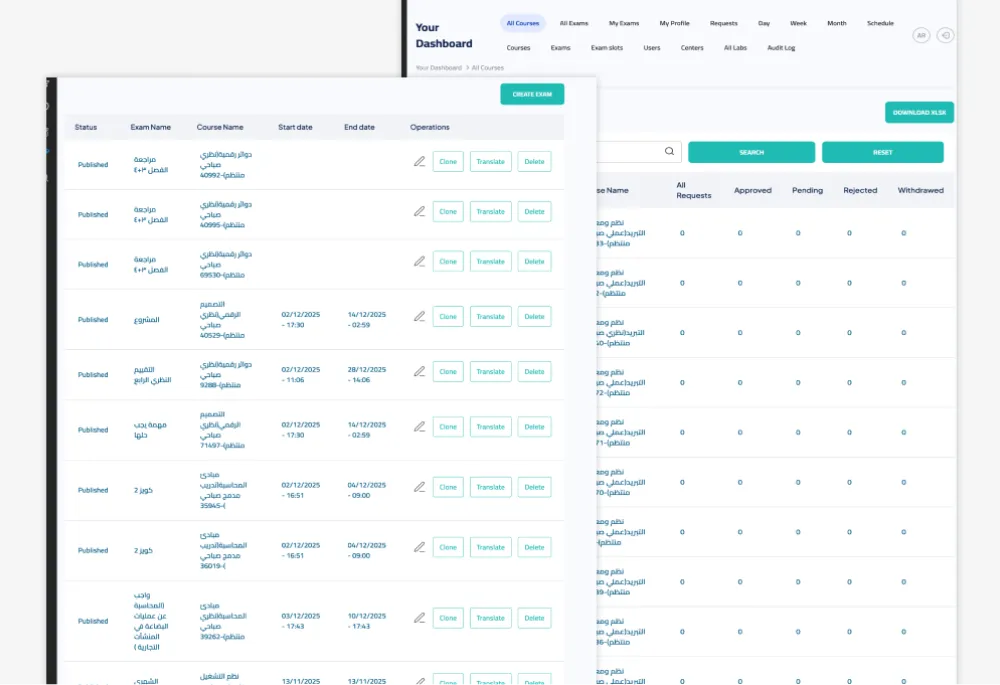
- Course Management: Develop robust tools for course creation, organization, and scheduling, allowing administrators to easily manage course content and structure.
- User Management: Create user roles and permissions to accommodate administrators, instructors, and learners, each with varying levels of access and functionality.
- Assessment and Progress Tracking: Incorporate features for assessing learner progress, including quizzes, lunching courses, and analytics dashboards to track performance.
- Customization and Scalability: Design the LMS to be highly customizable and scalable, allowing for future expansion and adaptation to evolving needs.
- Responsive Design: Ensure the LMS platform is responsive and accessible across various devices, including desktops, tablets, and mobile phones.
- Reseller Partnerships: Establishing partnerships with reseller portals interested in leveraging the provided server resources to
- Content Distribution: Enabling reseller and affiliate portals to access and distribute content from the LMS platform to their users, expanding the reach of educational resources.
- Technical Support: Providing technical support and assistance to reseller and affiliate partners to ensure smooth integration and operation of the provided server resources.
- Monitoring and Optimization: Monitoring server performance and optimizing resource allocation to ensure optimal performance and reliability for all partner portals.
- Revenue Sharing: Establishing revenue-sharing agreements with reseller and affiliate partners to mutually benefit from the distribution of content and the utilization of server resources.
Outcome: The project successfully achieved its goals by developing a fully functional Learning Management System tailored to the client's requirements. The outcome included:
Overall, the project outcome represented a significant achievement, encompassing the successful development of a comprehensive LMS solution, the expansion of reach through strategic partnerships, the diversification of revenue streams, and the enhancement of the user experience. These outcomes collectively contributed to the project's success in promoting education and knowledge sharing on a global scale
Why Drupal was chosen
This website was initially built using Drupal due to the primary requirement of integrating Opigno as the Learning Management System (LMS). I worked on this to revamped the website with a new layout and integrated several APIs to enhance its features. Currently, We are in the process of upgrading it to Drupal 10
Technical Specifications
Drupal version:
Key modules/theme/distribution used:
Each module, themes, or distribution chosen for a specific purpose aligned with the project's requirements. Here's a brief explanation of why each of these modules, themes, or distributions might have been selected:
-
Opigno distribution : Chosen as the primary distribution for building the Learning Management System (LMS). Opigno provides a comprehensive set of features and tools specifically designed for creating and managing online learning environments within Drupal.
-
Commerce: Selected for handling e-commerce functionalities within the project. Commerce is a robust and flexible e-commerce framework that integrates seamlessly with Drupal, allowing for the creation of different type of products, setup prices structure.
-
Commerce PayPal: Included to facilitate PayPal integration with the e-commerce functionalities provided by the Commerce module. This module enables secure payment processing through PayPal, offering users a convenient and widely used payment option.
-
Domain Access Entity: Utilized for implementing domain-based access control within the project. This module allows administrators to manage multiple domains within a single Drupal installation, each with its own content and configuration settings, making it suitable for projects requiring multisite functionality.
-
Active Campaign: Chosen for integrating with the ActiveCampaign marketing automation platform.
-
Session Limit: Implemented for managing session limits and user access control. This module allows administrators to define session limits for user accounts, helping to enhance security and prevent unauthorized access to the website.
-
Profile2: Included for extending user profile management capabilities within the project. Profile2 enables administrators to create custom user profiles with additional fields and settings, providing flexibility in capturing and managing user data.
-
OAuth 1.0: Selected for implementing OAuth 1.0 authentication within the project. This module allows users to securely authenticate and authorize third-party applications to access their Drupal accounts, facilitating seamless integration with external services and APIs.
-
RESTful Web Services: Utilized for exposing Drupal content and functionality as RESTful web services. This module enables integration with external applications and systems, allowing for the exchange of data and content between Drupal and other platforms via standardized REST APIs.
-
Bootstrap Theme: Bootstrap is renowned for its mobile-first approach and responsive grid system, ensuring that websites built with it look and function well on various devices and screen sizes. This responsiveness is crucial for modern websites given the prevalence of mobile browsing.
Overall, each of these modules, themes, or distributions was likely chosen based on its ability to address specific functional requirements, integrate seamlessly with Drupal, and contribute to the overall success of the project in achieving its goals.