Sector(s)
Team Members
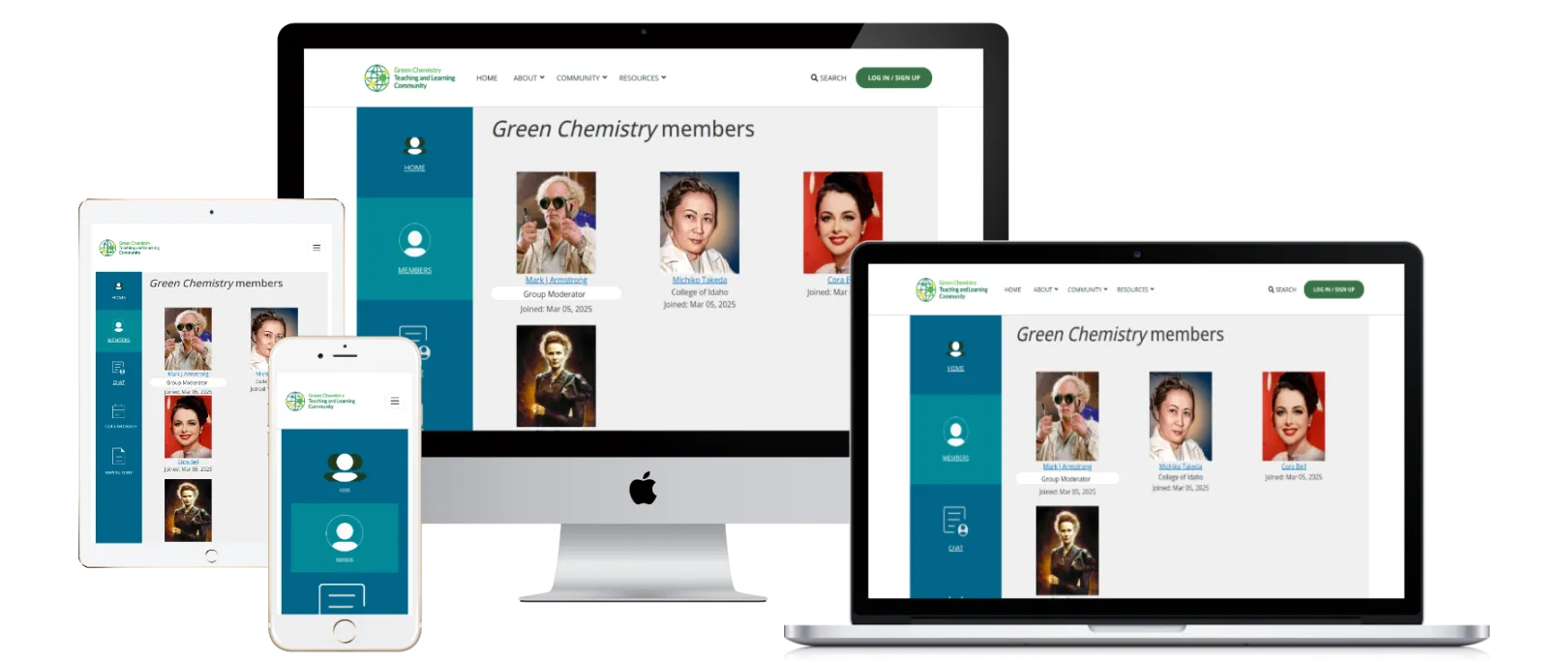
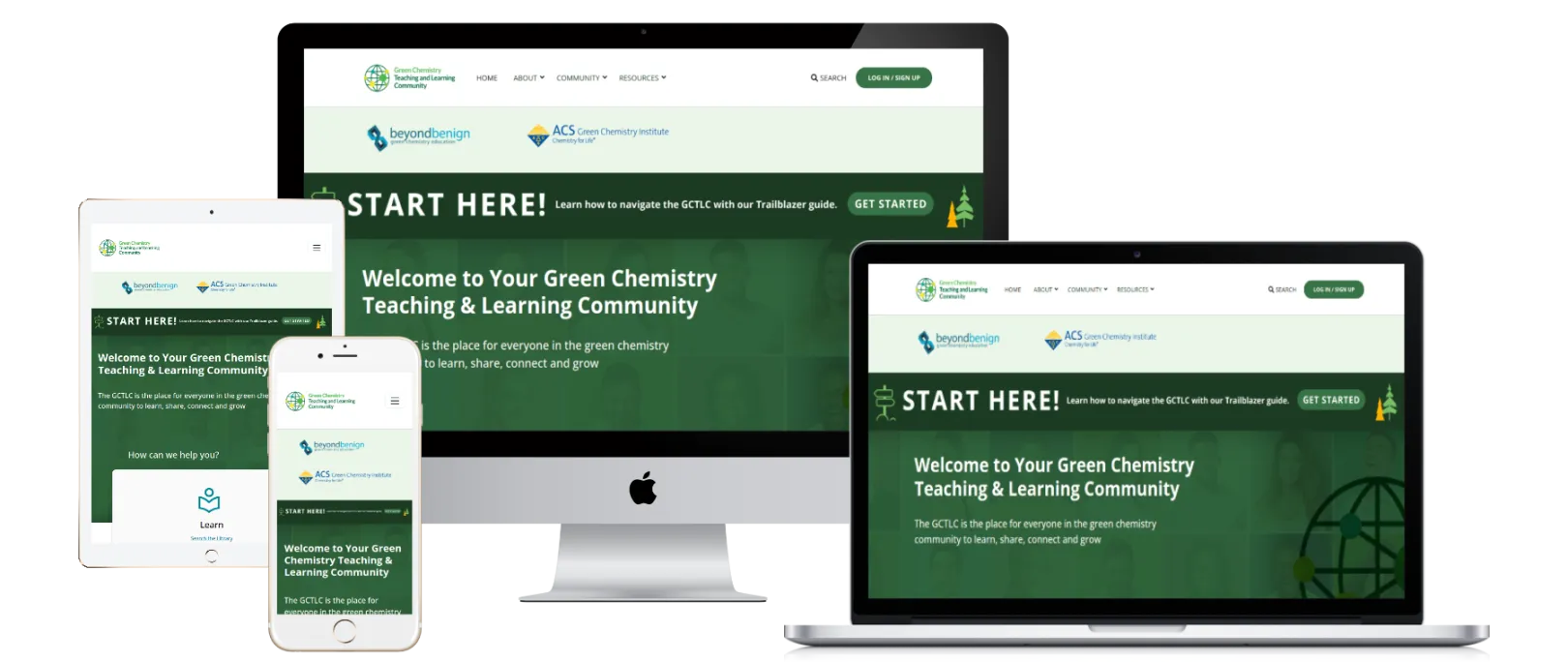
The Green Chemistry Teaching and Learning Community (GCTLC) website is a collaborative platform which supports educators, students, and scientists in advancing sustainable chemistry education. Developed by Skvare using Drupal, the site facilitates community engagement through user-created forums, group discussions, and an open-access resource library. Key features include flexible group types, enhanced forums, and a tagging system for direct user interactions. By leveraging Drupal’s power and flexibility, the platform provides an intuitive and interactive space for knowledge sharing, fostering collaboration in green chemistry education worldwide.
About the project
The Green Chemistry Teaching and Learning Community (GCTLC) is a collaborative project by Beyond Benign and the American Chemical Society (ACS) Green Chemistry Institute bringing educators from around the world together to share knowledge and best practices to help advance the integration of green chemistry across the education continuum. The GCTLC’s mission is to foster a sense of belonging and support collaboration and resource sharing among members of the scientific community advancing sustainable chemistry principles and practices.
Bringing together educators, students, and lifelong learners with a shared interest in reducing pollution, addressing hazards, improving safety and promoting sustainability within science education can be challenging, but aiming to do so as part of a global initiative requires creative thinking while maintaining a sense of familiarity to users. Social media platforms can put people in touch with others from around the world, but they aren’t well suited for undertaking collaborative projects or in-depth discussions of ideas and principles.
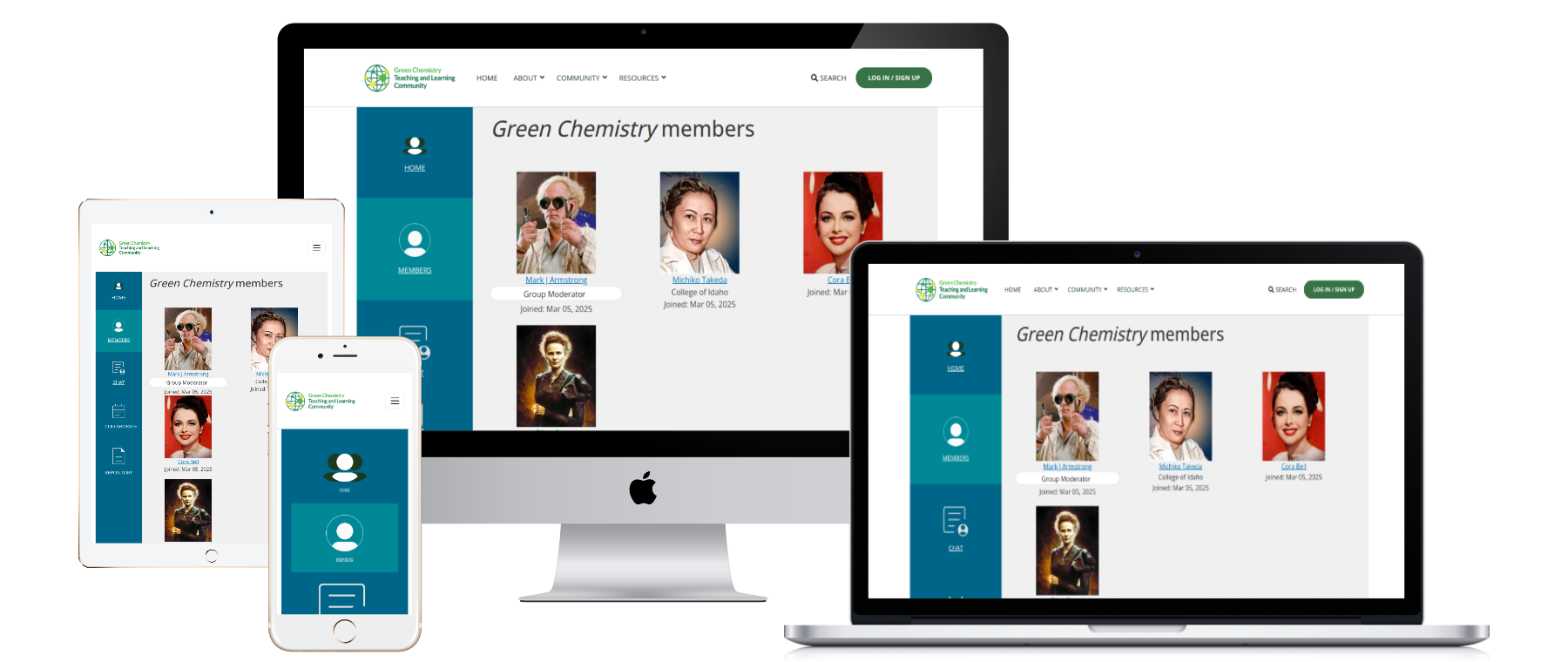
The GCTLC platform aims to address just that. Launched in October 2023, the platform includes user-created forums on topics including age-specific chemistry education, greener labs and experiments for students, sustainable green chemistry topics, upcoming events, and general teaching practices. The site also includes an open-access library of curriculum resources where users can submit content such as green chemistry lesson plans, age-appropriate classroom experiments, and published research in sustainable chemistry practices.
Importantly, what it needed was a more robust way for users to connect and call people in to directly share ideas, challenges, and solutions. The challenge this presented was how to create something familiar to users and easy to use.
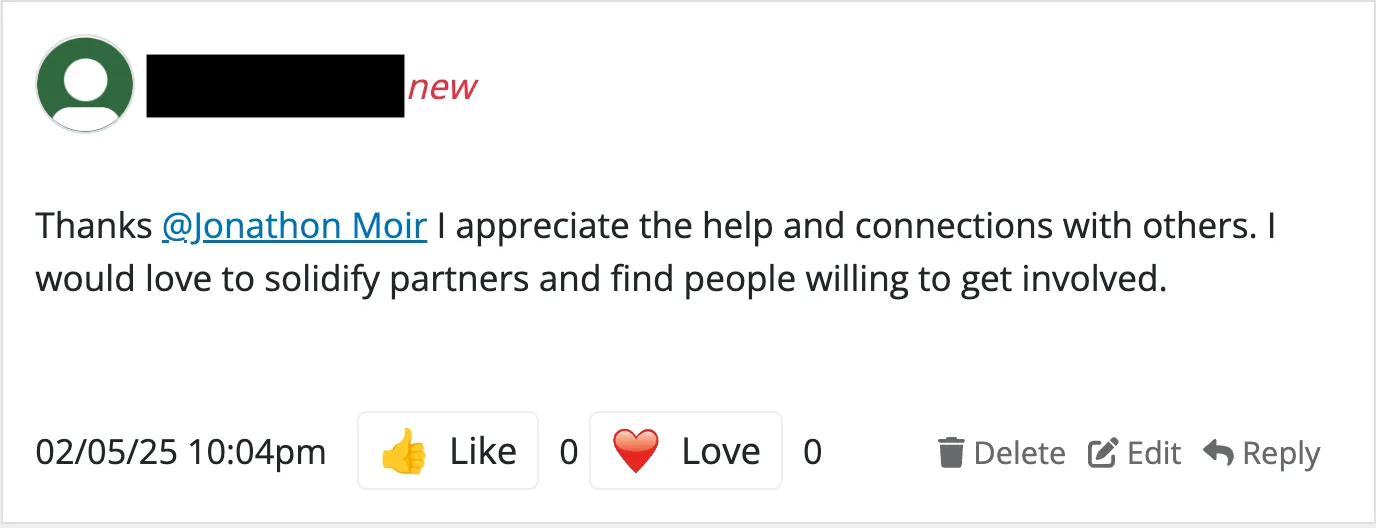
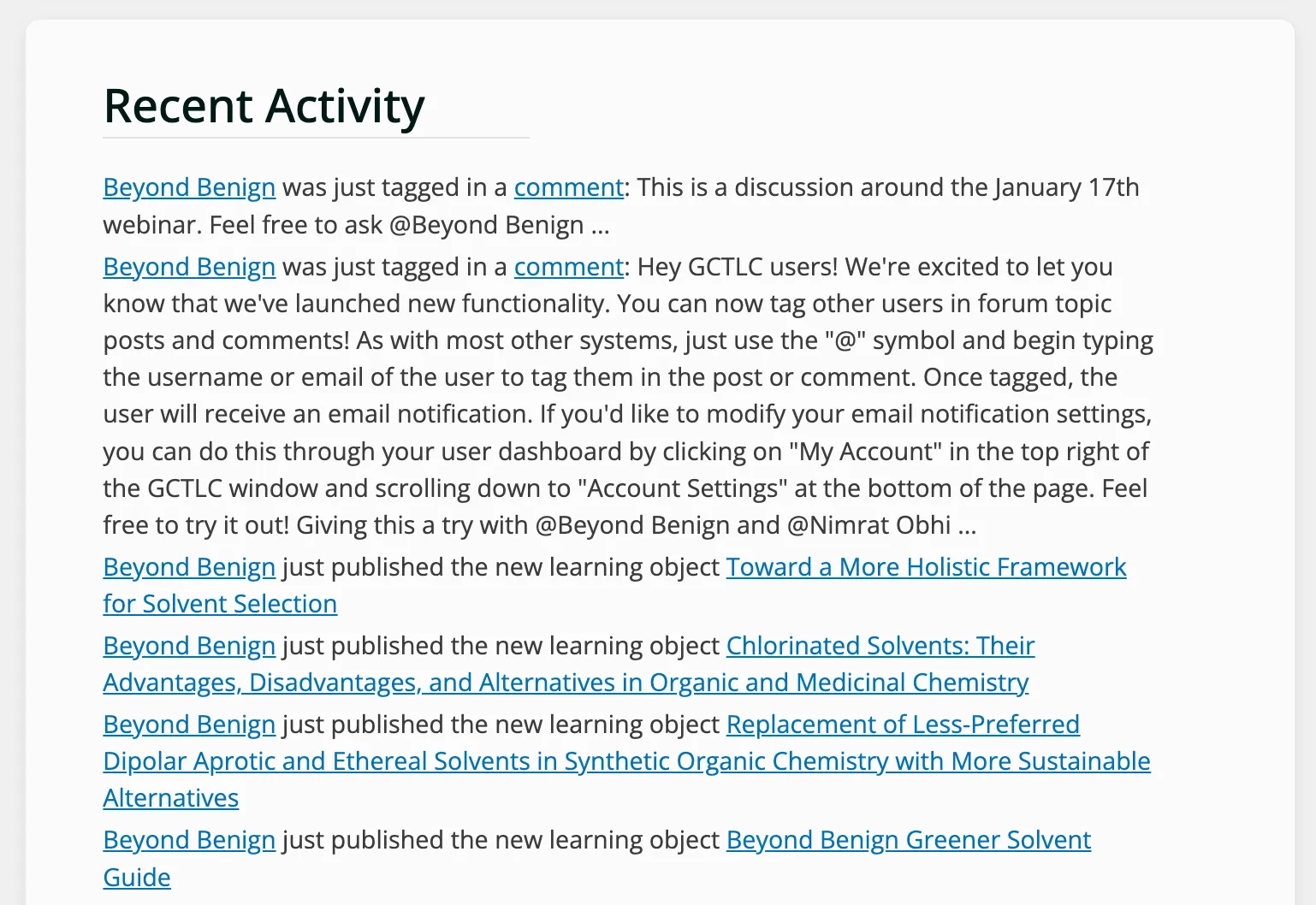
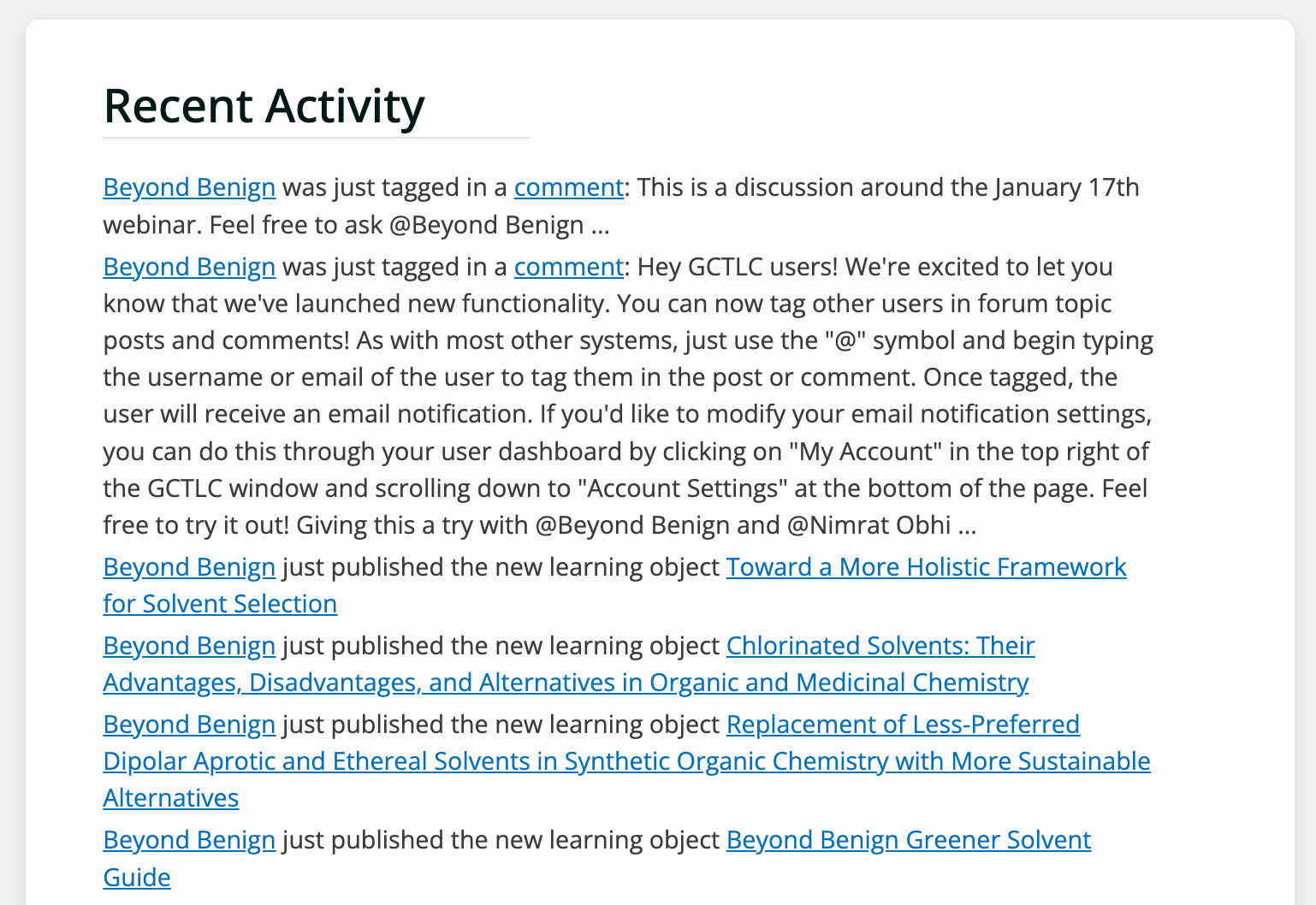
Skvare’s team of expert developers and site builders worked with the GCTLC team to identify Drupal modules and customizations needed to create a familiar and easy-to-use method for tagging other users in forums. Skvare leveraged Groups, Comment Notify, and CKEditor Mentions, allowing users to tag each other using the '@' symbol followed by the desired username. When used in conjunction with the notify module, these mentions generate notifications for mentioned users via email or on a custom-built user dashboard.
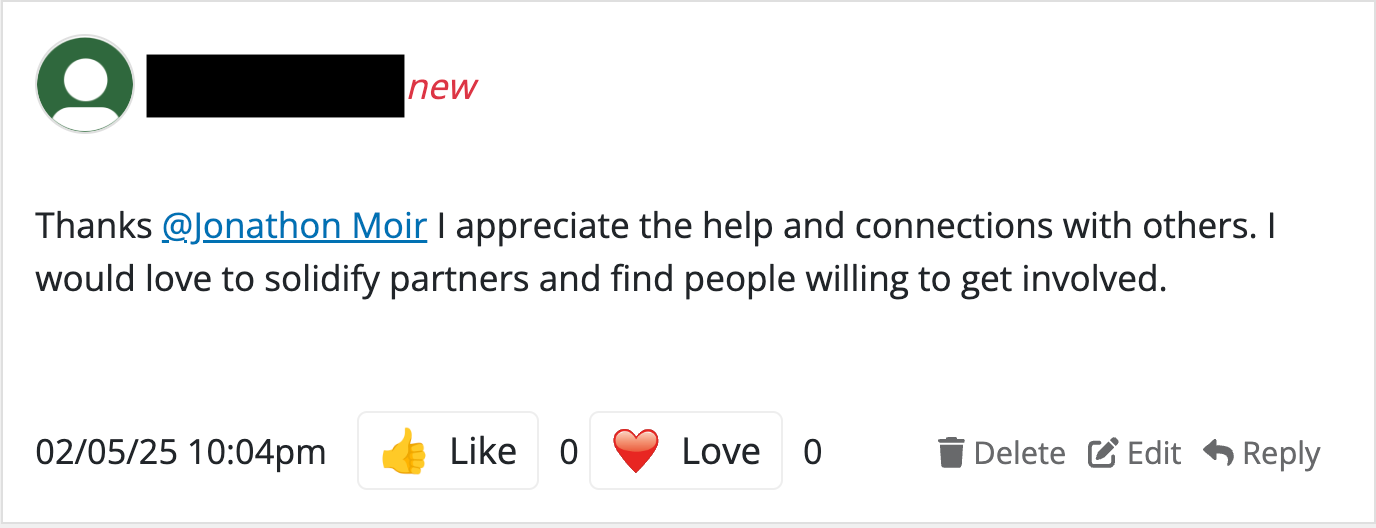
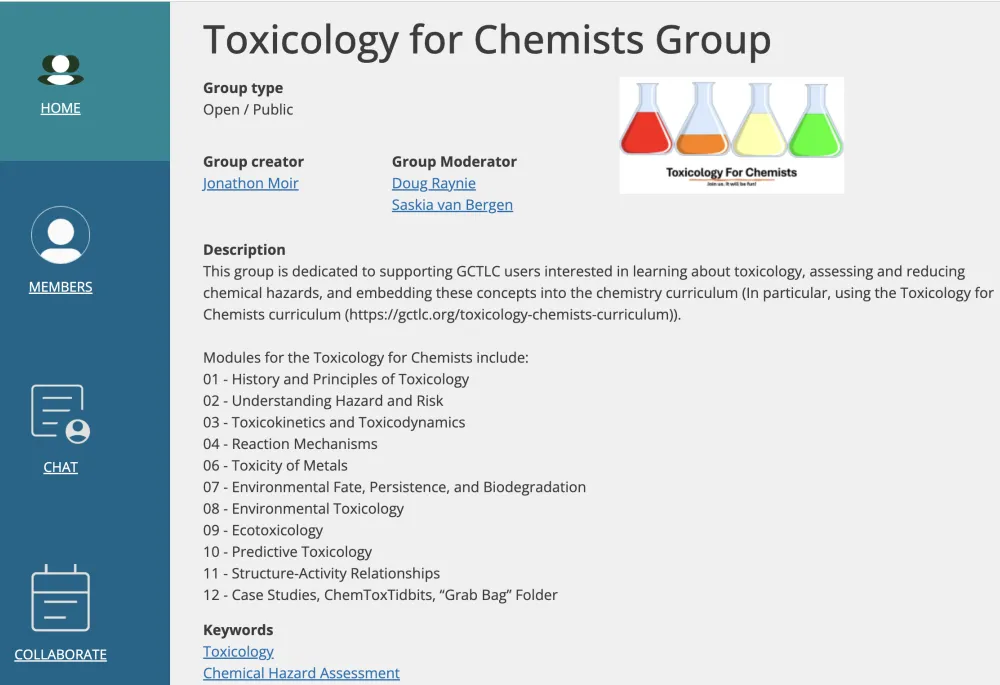
Skvare configured and customized six group types for GCTLC which allows users to create groups on specific topics. These groups can be open to the public, open to any site user, by invitation only, or completely private and hidden from all but members of the group. Combining these groups with a set of custom forums outside the normal Drupal Forums allows users to interact in public forums or in forums within each group. Combined with the ability to tag other users in a forum within a group provides flexibility while also allowing for open and direct communications.
Why Drupal was chosen
Drupal was chosen for the GCTLC website due to its flexibility, scalability, and strong community support, making it ideal for building an interactive and collaborative platform. Its modular architecture allowed Skvare to implement custom group types, enhanced forums, and user tagging features, ensuring seamless communication and resource sharing. Additionally, Drupal’s robust access control and content management capabilities enabled the creation of both public and private discussion spaces, providing the adaptability needed for a global community of educators and scientists.
Technical Specifications
Drupal version:
Key modules/theme/distribution used: