Sector(s)
Cultuurconnect supports Flemish municipalities with the digital challenges of their cultural policy, with an emphasis on public libraries, culture, and community centers.
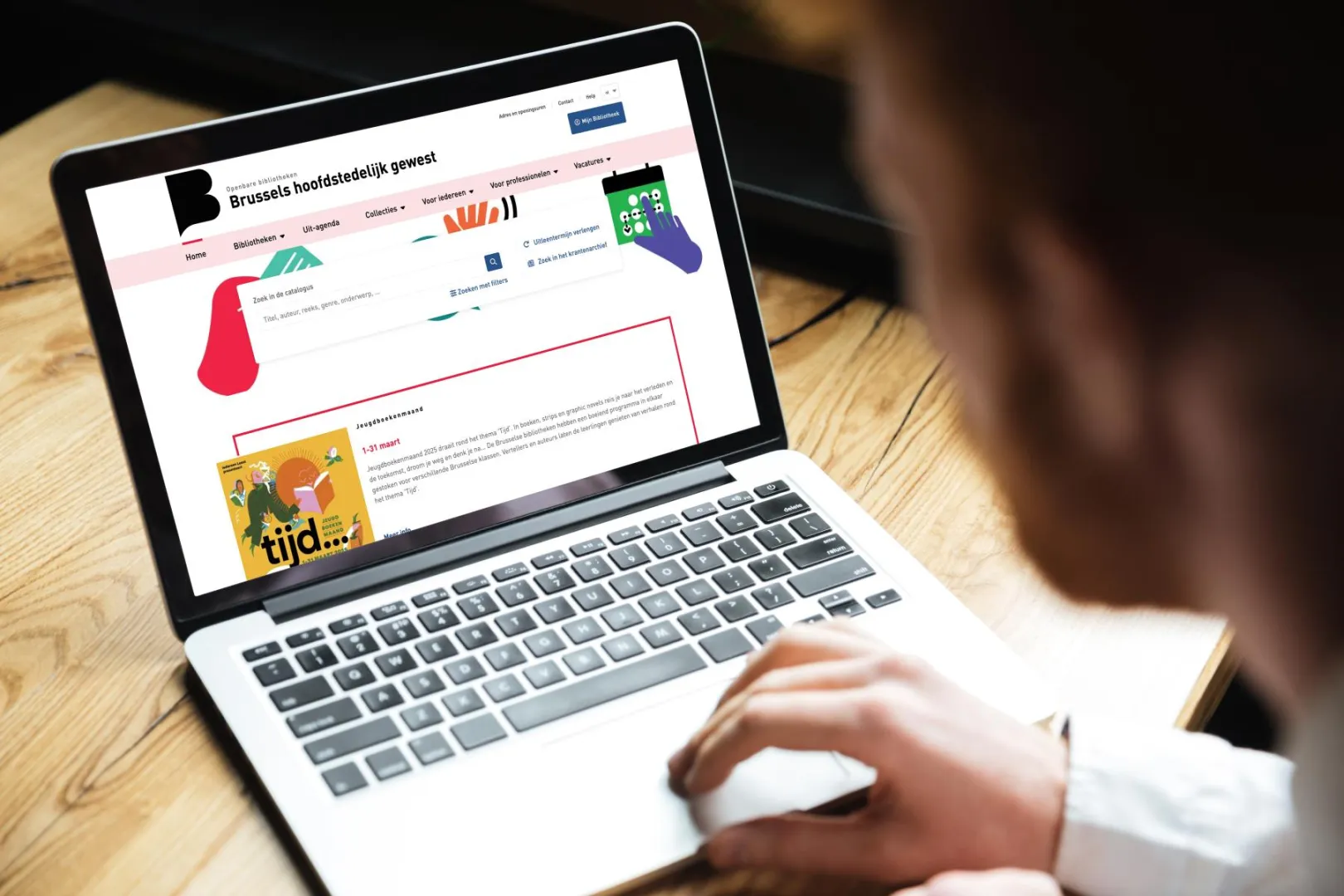
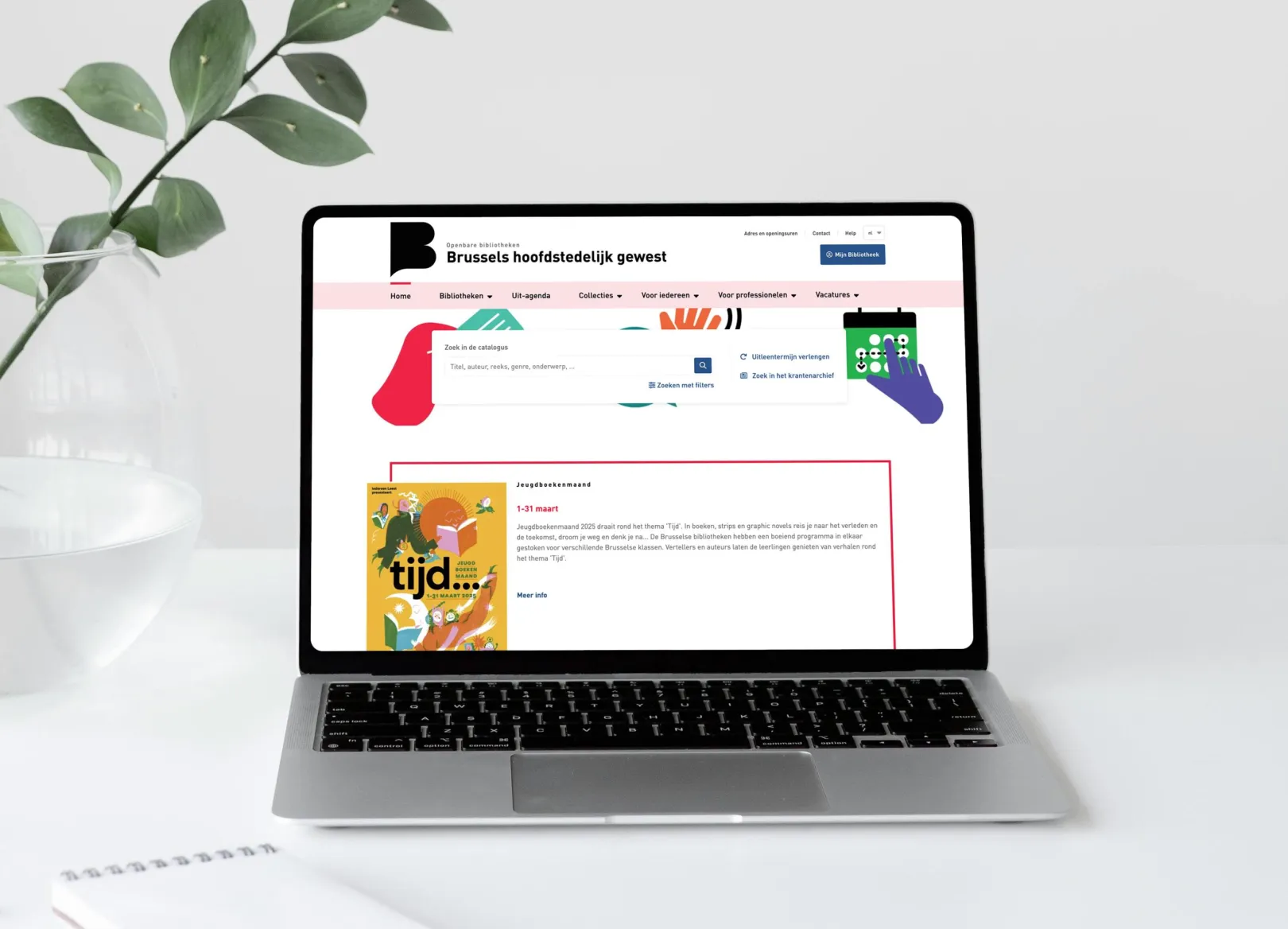
The Cultuurconnect platform consists of over 300 different websites. Each library has its own employees who manage the website. Library staff can manage content for their own websites, including creating landing pages.
About the project
The Cultuurconnect platform consists of over 300 different websites. Each library has its own employees who manage the website. Library staff can manage content for their own websites, including creating landing pages.
This type of free-form page can be built up as desired by adding components. A component can range from a simple WYSIWYG text to a book carousel or a grid view of images. Because these components can be combined as desired, a unique and dynamic page can be created each time.
In addition, there is also content that may be useful for multiple libraries. Therefore, there is a central website with content. Libraries can browse the central content and choose to display centralized content on their own website. Each library can also suggest its own content to the central content site. This is moderated by a separate team who can then reject or approve the content. Once approved, the content is also available to other libraries.
Data connections with other tools and platforms
The library websites contain various automatic connections to other tools and databases:
-
The library websites have two-way communication with the central content site via a JSON:API API. This allows websites to exchange complete pages (including all metadata and assets).
-
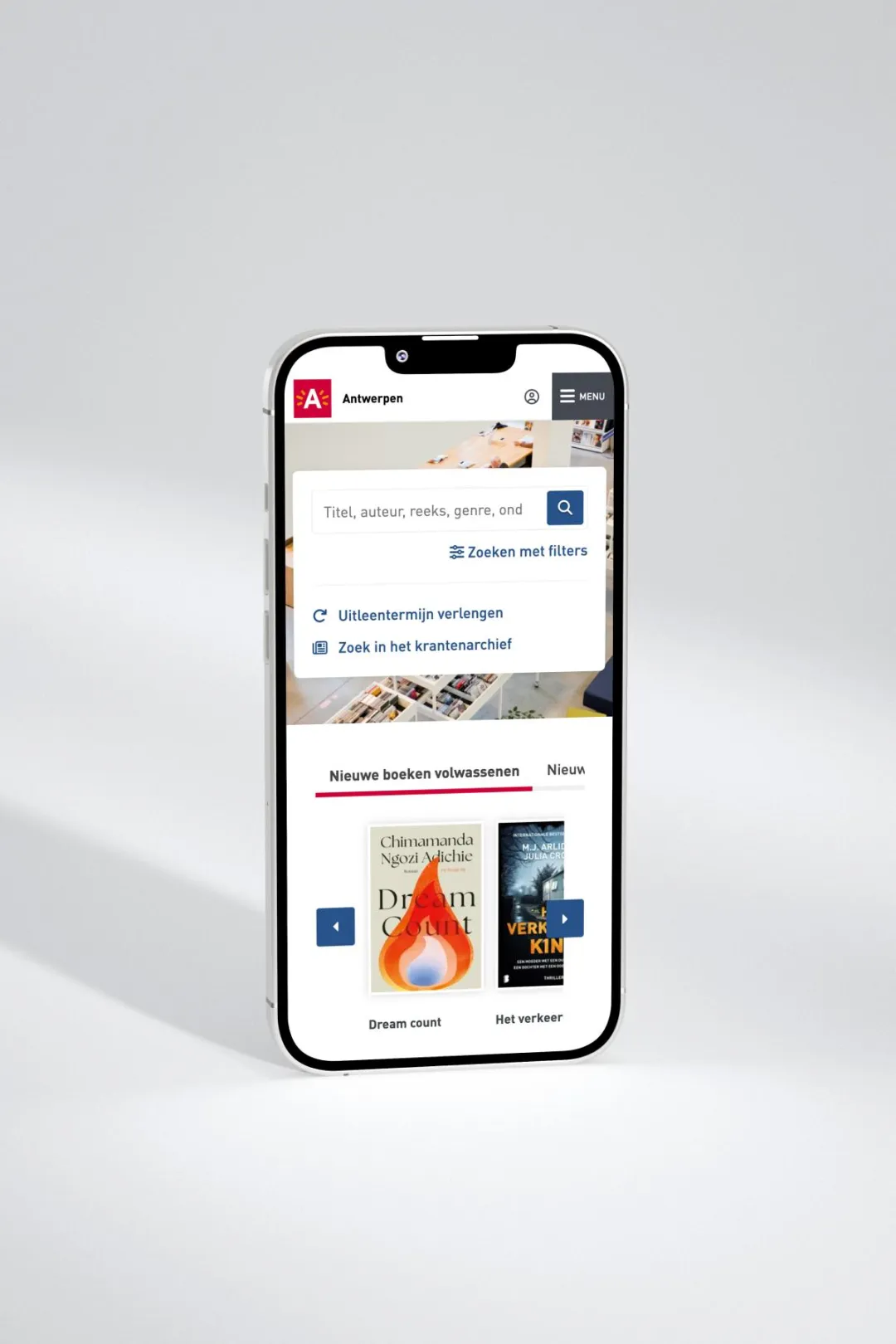
Connection with Aquabrowser: An extensive connection with Aquabrowser provides all the functionality around searching and consulting books. This ranges from comprehensive search queries to showing all the information of a book and its availability per location.
-
Connection with My Library: An extensive connection with the My Library API allows library members to log in to any library website. This allows them to manage their reservations, pay outstanding balances, create and publish book lists, etc.
What are the benefits for cultuurconnect?
The problems were solved, the websites were expanded, and customers are satisfied.
-
The average page load time has been reduced to under 2 seconds. Before the takeover, performance was so poor that the setup couldn't handle more than 100 websites without encountering load times exceeding 60 seconds and platform-wide outages.
-
The number of library websites on the platform has now increased to over 300.
-
Added self-service features empower library visitors to perform tasks online, eliminating the need for physical visits.
-
Extensive integrations and the ability to share content across all websites significantly reduce the workload for library staff.
Overview of used technologies
-
The entire platform was set up in a Drupal 8 multisite environment and has since been updated to Drupal 10.
-
We use Randstad Digital Builder, which allows for easy page building using a set of components. These can range from a WYSIWYG text to a carousel or a grid view with images.
-
There is a central content platform in Drupal 10 that can send and receive all data via JSON:API. This allows websites to exchange complete pages (including metadata and assets).
-
We use Worldline services to facilitate online payments. There is also feedback loop to the "My Library" API to directly register each payment.
-
Since users often want to inquire about the availability of books, this was previously causing a heavy load on the servers. We converted this functionality via VueJS to request availability client-side, making the entire page available in the meantime.
-
Integration with Aquabrowser for information retrieval on books and availability.
-
Integration with "My Library" to manage reservations, pay outstanding balances, and create lists.
-
Through the UitAgenda API, we retrieve relevant information on events in the region.
Why Drupal was chosen
The platform aimed to provide each of the 308 public libraries with its own website, including CMS, integration with online catalogues, integration with the self-service environment for book renewals and SEO.
Technical Specifications
Drupal version:
Key modules/theme/distribution used: