Sector(s)
Team Members
Project Team
David serves with a Christian mission (SIM) in Peru and with the help of Eduardo Telaya from Lullabot, they began this project. They worked a lot of late nights but it was soon became evident that they needed help. Heissen from Isovera joined and David then posted in the Australian Drupal group and requested help. Vladimir Roudakov and Janna M from Tomato Elephant Studio responded and they began to work together immediately.
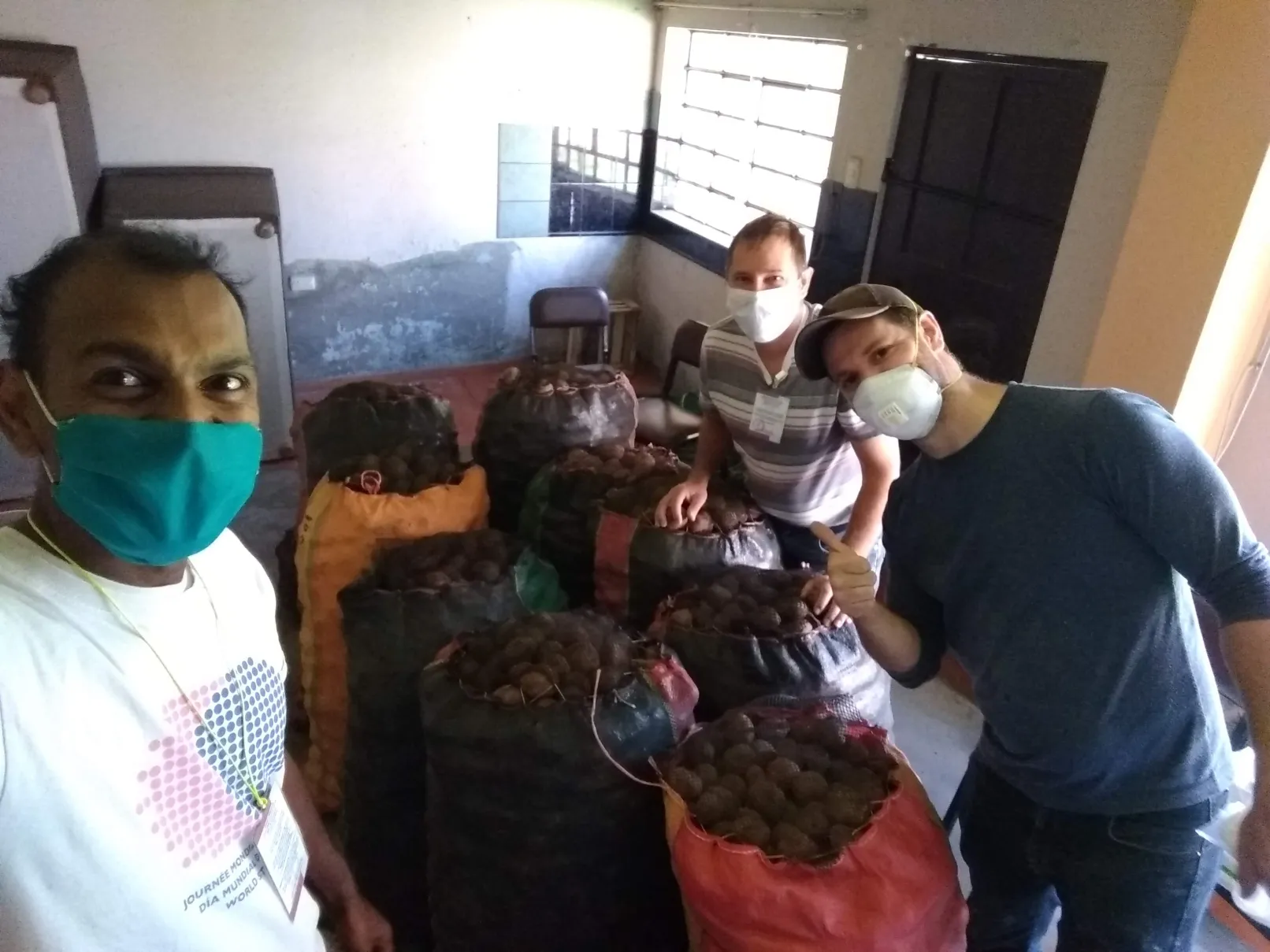
We would like to recognise the many volunteers who put their own lives at risk as they helped to buy, pack and deliver the food packages. Thanks to Pantheon who gave us free hosting so we never had to worry when several hundred people decided to login at the same time.
Peru was number 6 in the world with more than 800,000 COVID cases. Tragically Perú was also the world's deadliest COVID hotspot (deaths per capita) despite a severe lockdown. Thousands of Venezuelan refugees in Peru who normally made a living selling things on the street were left without any source of income and our aim was to help them through this crisis.
Before Drupal came into the picture we were getting food to about 300 refugees and managing the process using a bunch of Excel spreadsheets. We quickly realized that our process was totally unscalable as the number of people we tried to help grew exponentially. Thanks to help from the Drupal community we formed a small team that rapidly created an application. This helped us facilitate the process of distributing 137 tonnes of food to 3000 individuals/ families in need, over a six month period.
137 tonnes of food
3000 refugees in need
About the project
We needed a solid, minimalist system that would work well on low bandwidth and on old phone hardware.
Our small team of volunteer Drupal developers used Agile development principals with one week sprints. Each week we identified the minimum features we needed to survive the coming week. The main functionality was build in just over two months with most of the team balancing other work commitments.
Functionality Summary
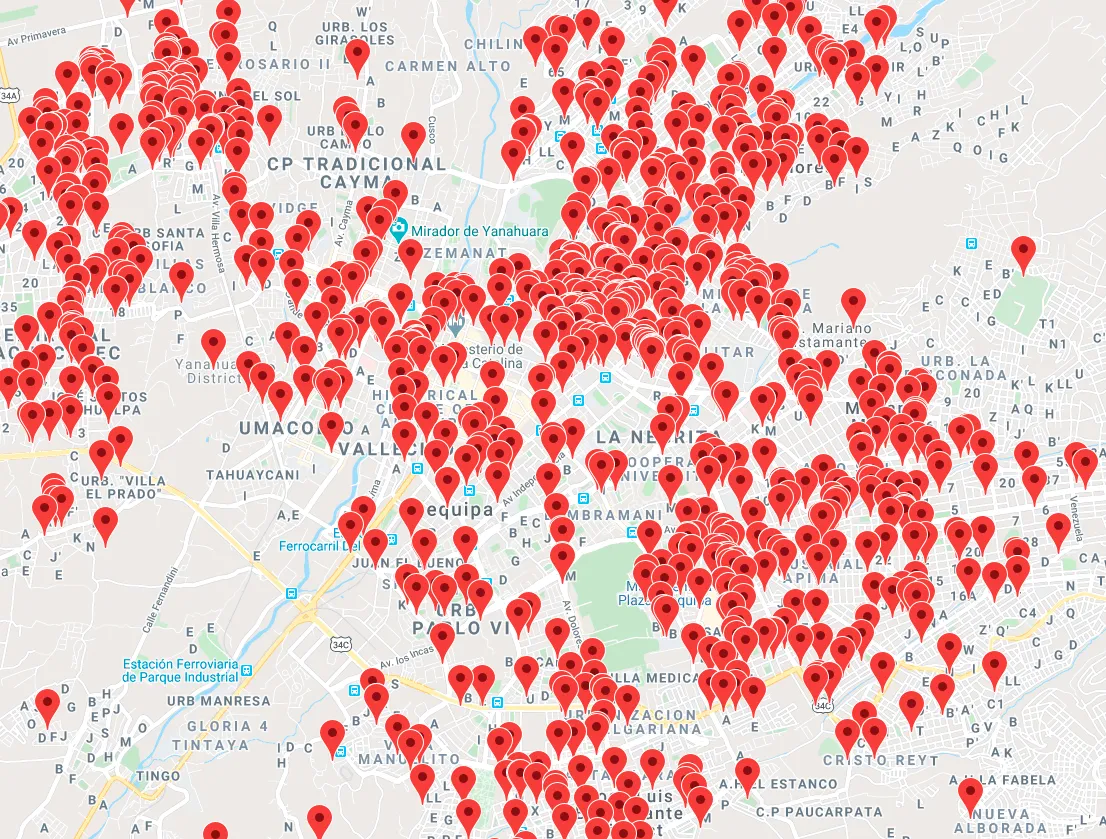
- People register online and place themselves on a map
- We identify who are the next people in line to receive food
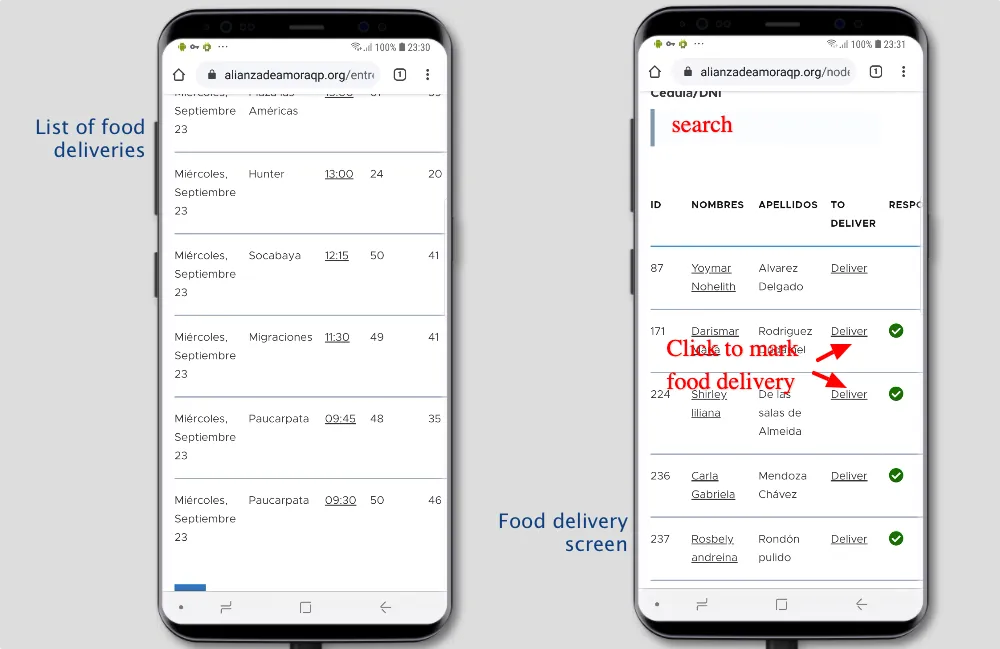
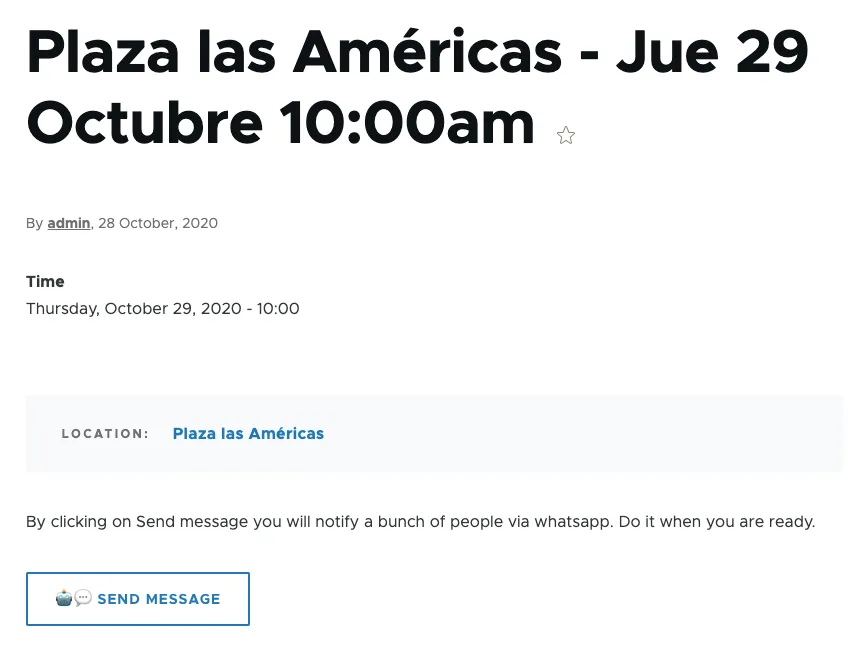
- The application sends an invite via the WhatsApp API providing people with a time and map
of their delivery food point - Invitees can login to the site and confirm/deny that they can attend.
They can see their delivery history - The volunteers at the delivery have a list of people invited/ confirmed.
As people arrive they search and flag people who have received their
food package.
Mobile First (and last)
Our users didn't own a computer or a tablet so our application had to be designed for mobile. Even our admin screens were designed for mobile. Fortunately the Olivero theme, which will be the default theme for Drupal 9, worked well on phones and did needed minimal customization.
Critical Performance
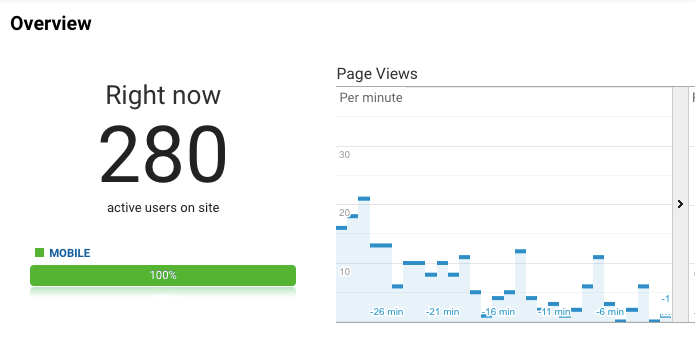
There was one part of the application where performance was critical - the delivery screen. Sometimes more than a 100 people would arrive at a delivery points and due to COVID19 we needed to minimise the time that people were together. The delivery screen was built using the Drupal AJAX API and it meant sub-second response time. So as we worked to quickly distribute food, the application never slowed us down.
Why Drupal was chosen
Drupal was chosen because we knew we could build a highly scalable application, rapidly. We also knew we could call together the community to build the site.
With Drupal we knew we could build a highly scalable application, rapidly
David Jeyachandran, SIM
Technical Specifications
Drupal version:
Key modules/theme/distribution used: